Need drain cleaning in New Dorp, NY? Learn clog warning signs, sewer maintenance, cleaning methods, prevention tips, and when professional service is needed.
Why Drain Cleaning Matters for Everyday Plumbing
Slow drains are easy to ignore when water still moves eventually, but recurring drainage problems can signal buildup deeper inside the plumbing system. Grease, soap residue, hair, food particles, sediment, and other debris can collect along pipe walls until water has less room to move. When several fixtures begin draining slowly, the problem may involve a larger branch line or sewer connection rather than one sink or tub.
AAA Sewer & Drain provides drain, sewer, water-removal, and related plumbing services across Staten Island. A professional evaluation can determine whether a simple fixture clog, a deeper obstruction, or a broader drainage issue is affecting the property.
Homeowners and businesses should pay attention to recurring symptoms instead of relying on temporary fixes each time water begins moving slowly.
Common Signs Your Drains Need Professional Attention
A blocked drain does not always stop completely. Many drainage problems develop gradually and become more noticeable over time.
Common warning signs include:
- Water draining more slowly than usual
- Gurgling sounds from sinks, tubs, or toilets
- Repeated clogs in the same fixture
- Several fixtures draining slowly together
- Unpleasant odors coming from drains
- Water backing up into another fixture
- Toilets bubbling when nearby water is used
- Standing water in sinks, tubs, or floor drains
- Drain problems returning soon after basic cleaning
Multiple slow drains can point toward a restriction farther downstream.
How Professional Drain Cleaning Works
Professional drain cleaning services focus on locating and clearing the obstruction while considering the condition of the pipe. The correct method depends on where the clog is located, what material is causing it, and whether the line has experienced repeated problems.
A technician may begin by asking which fixtures are affected, how long the problem has existed, and whether previous cleaning provided only temporary relief. Depending on the situation, mechanical drain equipment, water jetting, or another professional cleaning approach may be recommended.
The goal goes beyond opening the blockage. Effective drain and sewer cleaning should restore dependable flow and, when appropriate, remove material that is likely to contribute to another clog.
What Causes Kitchen Drain Clogs?
Kitchen drains commonly develop restrictions because grease, food residue, soap, and other materials enter the line during daily use.
Grease is especially problematic. It may enter the drain as a warm liquid but cool and attach to the inside of the pipe. Additional food particles and debris can then stick to that residue, gradually narrowing the line.
To reduce kitchen buildup:
- Avoid pouring cooking grease into the sink
- Scrape food into the trash before washing dishes
- Use sink strainers when appropriate
- Avoid forcing large food particles through the drain
- Clean visible strainers regularly
- Pay attention when drainage begins slowing
Chemical drain products may seem convenient, but repeated use does not always remove the deeper buildup causing recurring problems. If a kitchen drain repeatedly slows after basic cleaning, professional diagnosis can identify whether the restriction extends farther into the line.
Bathroom Drains Develop Different Types of Buildup
Bathroom drains usually collect different materials than kitchen lines. Hair, soap residue, grooming products, and other debris can combine into stubborn restrictions in sinks, showers, and tubs.
Hair often catches on small rough areas or existing residue inside the pipe. Once it begins collecting, additional material can become trapped and reduce water flow.
Simple strainers can help prevent larger hair accumulations from entering the drain. Cleaning them regularly is much easier than waiting until a deeper obstruction develops.
If several bathroom fixtures become slow at the same time, the problem may not be limited to one trap. A professional can determine whether a shared branch line or another part of the system requires attention.
Why Several Slow Drains Can Indicate a Sewer Problem
When only one fixture is affected, the obstruction is often close to that drain. When sinks, tubs, toilets, or floor drains in several rooms begin acting differently, the issue may be farther downstream.
Warning signs of a broader drainage problem can include toilets bubbling when another fixture drains, water appearing in a tub when a washing machine empties, or lower-level drains backing up first.
Homeowners seeking drain cleaning in New Dorp, Staten Island, NY should describe all affected fixtures rather than reporting only the most noticeable clog. That information can help determine whether the problem is localized or connected to a larger drain or sewer line.
Commercial Drain and Sewer Problems Need Fast Attention
Businesses depend on reliable plumbing for customers, employees, kitchens, restrooms, cleaning, and daily operations. A slow or backed-up drain can quickly become more disruptive in a commercial property because more people may use the plumbing throughout the day.
Commercial drain and sewer systems can experience grease buildup, paper products, food debris, sediment, and heavy usage. Restaurants, offices, retail spaces, and other facilities may also have multiple fixtures connected to shared lines.
A recurring commercial drainage problem should be investigated instead of repeatedly cleared without understanding the cause. Repeated closures, odors, or backups can affect customers and normal operations. A planned maintenance approach may be more practical than waiting for the same line to fail again during busy hours.
Drain and Sewer Maintenance Can Reduce Recurring Problems
Routine drain and sewer maintenance helps property owners identify developing restrictions before they cause complete blockages. Maintenance needs vary based on building type, plumbing usage, previous problems, and the materials entering the drains.
A property that rarely experiences drainage concerns may not need the same service schedule as a restaurant or commercial facility with frequent grease exposure. The appropriate plan should be based on actual conditions.
Maintenance can include professional cleaning, reviewing recurring problem areas, checking drainage performance, and inspecting lines when symptoms suggest a deeper issue.
Property owners should also keep records of repeated clogs. If the same bathroom, kitchen line, or main drain requires service several times, that history may reveal a pattern worth investigating more closely.
When Emergency Sewer Cleaning Is Necessary
Some drain problems can be scheduled during normal service hours. Others become urgent when wastewater begins backing up or essential plumbing cannot be used.
Emergency sewer cleaning may be needed when several fixtures stop draining, wastewater returns through floor drains, toilets overflow because the main line is restricted, or a commercial property cannot safely operate its plumbing.
During a significant backup, limit water use until the cause is understood. Continuing to run sinks, showers, washing machines, or dishwashers can send more water toward an already blocked line.
Avoid contact with wastewater and keep children or pets away from affected areas. Professional service can focus on restoring flow and determining whether additional cleaning, inspection, or repair should follow.
Why Drain Snaking and Water Jetting Are Different
Mechanical drain snaking and water jetting are both professional cleaning methods, but they work differently.
A drain snake uses a cable or specialized attachment to break through, retrieve, or clear an obstruction. It can be effective for many localized clogs.
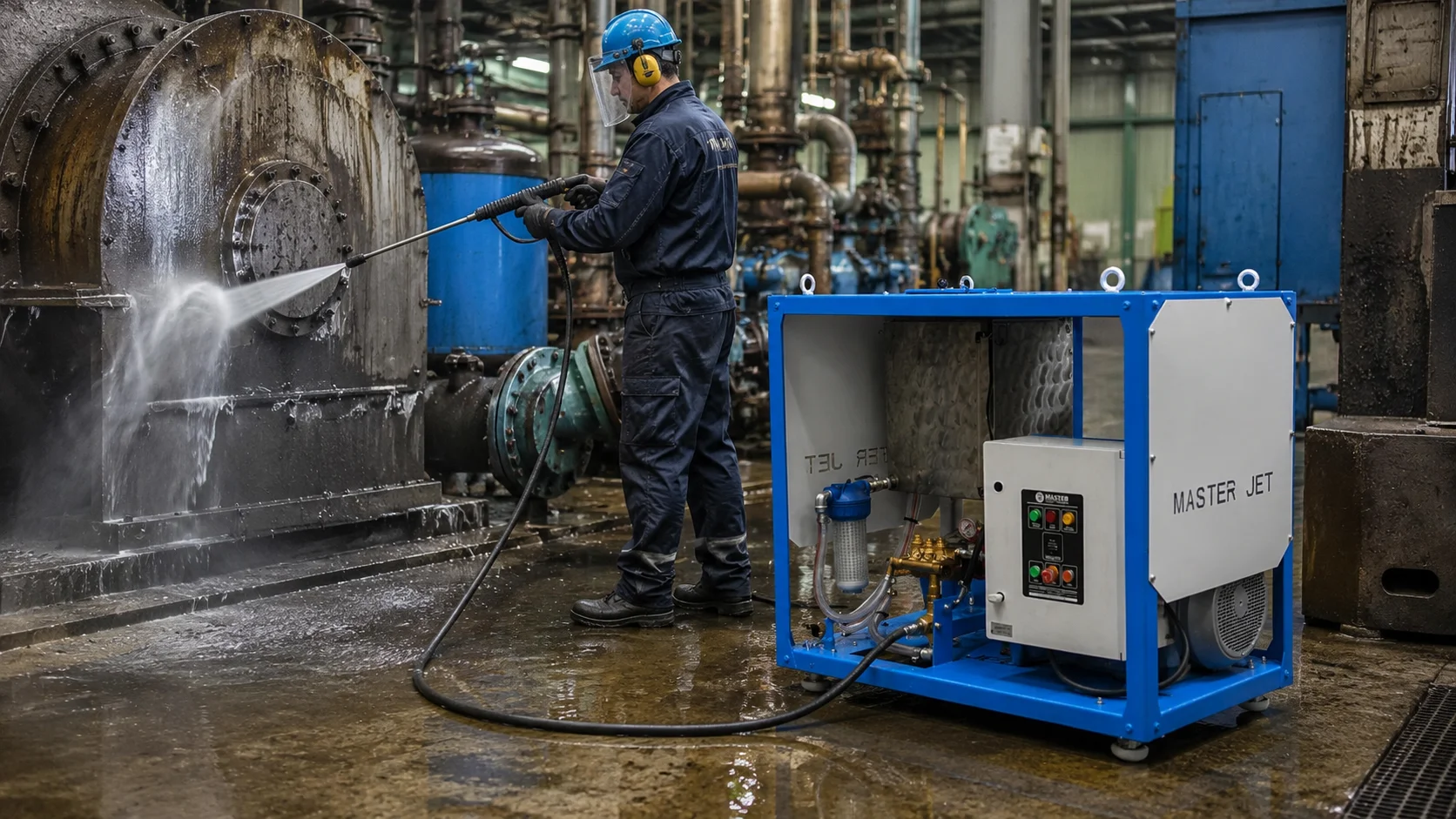
Water jetting uses pressurized water to remove buildup and flush debris through an appropriate drain or sewer line. It can be useful when grease, sludge, or residue is spread along the inside of a pipe.
The right choice depends on blockage type, line condition, access, and previous drainage history. An older or damaged line may require additional evaluation before aggressive cleaning is used.
Why Video Inspection Can Be Helpful
Repeated drainage problems can sometimes justify looking inside the line rather than continuing to guess about the cause.
A sewer or drain camera can help identify visible blockages, damaged sections, heavy buildup, or other conditions within accessible piping. Inspection may also help determine whether cleaning has restored an open pathway.
Camera inspection does not replace every other diagnostic step, but it can provide useful information when symptoms keep returning.
For property owners using sewer and drain services in Rosebank, Staten Island, NY, documenting when clogs occur and which fixtures are affected can make professional inspection more focused and useful.
Avoid Habits That Encourage New Clogs
Daily habits have a major effect on drainage performance.
In kitchens, avoid grease, cooking oil, coffee grounds, and large food particles. In bathrooms, use strainers to reduce hair entering shower and tub drains. Toilets should only receive waste and toilet paper designed for normal flushing.
Items that should generally stay out of toilets include:
- Wipes
- Paper towels
- Hygiene products
- Cotton swabs
- Dental floss
- Diapers
- Cleaning cloths
- Other household trash
Even products marketed as flushable can contribute to drainage problems because they may not break down as quickly as toilet paper.
What to Do Before Calling for Drain Service
You do not need to diagnose the plumbing yourself, but a few observations can help the technician understand the situation.
Note which fixtures are affected, when the problem began, whether the clog has happened before, and whether another drain reacts when water is used. Also mention any recent plumbing work or cleaning attempts.
If there is standing wastewater, avoid unnecessary contact. Do not repeatedly add chemical cleaners, especially when you are unsure what products were already used. Mixing chemicals can create hazards and may complicate professional service.
Clear access around the affected fixture or drain when possible so the technician can begin work more efficiently.
When Should You Schedule Professional Drain Cleaning?
Professional service is worth considering when a clog repeatedly returns, several fixtures are affected, odors continue, or normal household methods do not restore reliable drainage.
Consider scheduling service when:
- The same drain blocks repeatedly
- Several drains become slow together
- Toilets bubble or gurgle
- Wastewater backs up into another fixture
- Drain odors remain after cleaning
- Commercial plumbing experiences repeated interruptions
- A main sewer restriction is suspected
- Previous cleaning only provided temporary relief
Professional diagnosis can help identify whether the issue involves a fixture, branch line, main drain, sewer line, or another part of the system.
Conclusion
Drain problems are easier to manage when they are addressed before a complete backup develops. Slow drainage, recurring clogs, gurgling, odors, and multiple affected fixtures can all provide useful warning signs.
Basic prevention includes keeping grease, hair, food debris, wipes, and other unsuitable materials out of the plumbing system. When problems return despite careful use, professional cleaning can help restore flow and identify whether deeper buildup or a sewer-line issue is involved.
For homes and businesses, regular attention to drainage performance can support reliable plumbing and reduce unexpected disruptions. When a blockage affects several fixtures or creates wastewater backup, limiting water use and arranging professional service is the safest next step.
Frequently Asked Questions
What is the most common cause of a clogged drain?
Common causes include grease, soap residue, hair, food particles, paper products, and other debris. The exact cause depends on the fixture and how the plumbing system is used.
When should I call for drain cleaning services?
Call when a drain repeatedly clogs, several fixtures become slow, wastewater backs up, odors persist, or basic cleaning methods do not restore dependable flow.
How often should drain and sewer maintenance be scheduled?
There is no single schedule for every property. Maintenance frequency depends on plumbing usage, building type, previous clogs, grease exposure, and recurring drainage history.
Can drain and sewer cleaning help with recurring clogs?
Yes. Professional cleaning can remove obstructions and buildup that may contribute to recurring problems. If clogs keep returning, additional inspection may be needed to identify a deeper cause.
When is emergency sewer cleaning necessary?
Emergency service may be appropriate when wastewater backs up, several fixtures stop draining, toilets overflow because of a main-line restriction, or plumbing cannot be used safely.
What should I do if several drains back up at once?
Reduce water use immediately and avoid running appliances that discharge water. Several affected fixtures can indicate a deeper drain or sewer restriction that should be professionally evaluated.