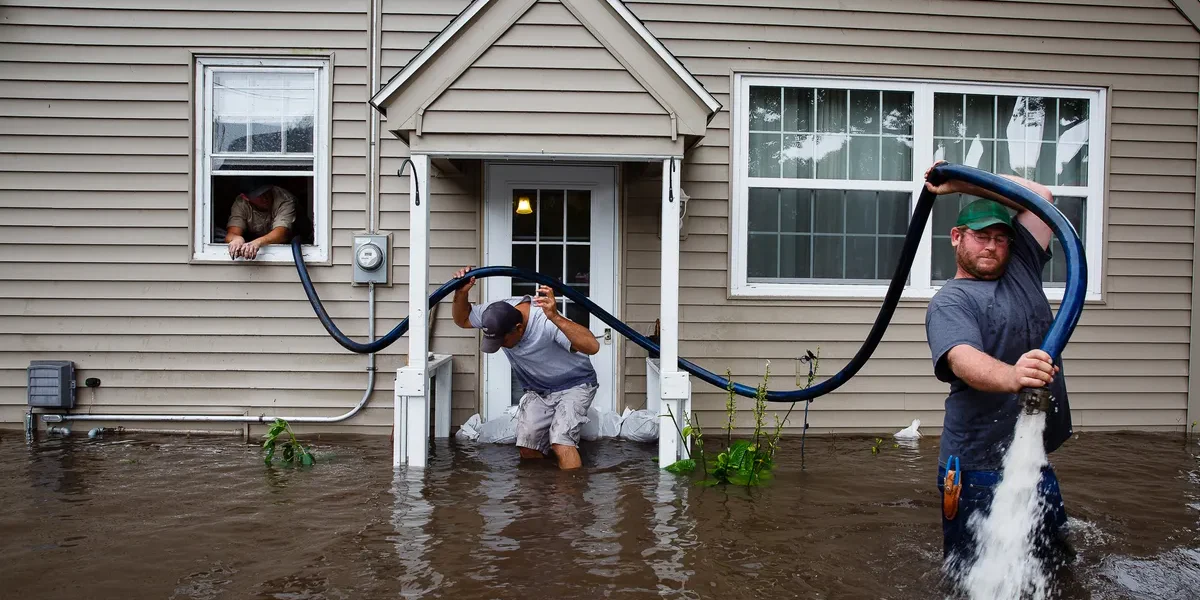
Professional flood pumpout services in South Beach, NY help remove standing water, support drying, reduce property exposure, and restore flooded areas safely.
Unexpected flooding can leave basements, garages, bathrooms, utility areas, and commercial spaces covered with standing water in a short period of time. Heavy rainfall, sewer backups, plumbing failures, overflowing fixtures, and other water-related problems can all create conditions that require prompt attention. AAA Sewer & Drain provides sewer, drain, flood pumpout, water removal, sewage cleanup, and related plumbing services throughout Staten Island. A flood response should begin by identifying the source of the water, checking the affected area, and determining the safest way to remove standing water. Property owners should also consider whether the water may contain sewage or other contaminants before attempting cleanup themselves. For homes and businesses in South Beach, Rosebank, and nearby Staten Island communities, professional water extraction can help reduce the amount of time flooring, walls, belongings, and other materials remain exposed. This guide explains flood pumpouts, water extraction, basement flooding, drying, sewage-related water, cleanup planning, and practical steps to take after indoor flooding.
What Professional Flood Pumpout Services Include
Professional flood pumpout services focus on removing standing water from affected residential or commercial areas after flooding.
Depending on the situation, equipment may be used to extract water from basements, garages, bathrooms, utility spaces, and other accessible areas.
Removing visible water is only one part of the process. Moisture may remain in flooring, walls, baseboards, stored materials, and other surfaces after the main accumulation has been pumped out.
The source of the flooding should also be considered. Water from heavy rain may require a different cleanup approach from a sewer backup or overflowing drain.
If contaminated water is involved, direct contact should be limited and affected surfaces may require additional cleaning or sanitizing.
A professional response should match the type of water problem rather than treating every flooded property the same way.
Why Standing Water Should Be Addressed Quickly
Standing water can continue affecting building materials while it remains inside a property.
Carpet, wood, drywall, trim, boxes, furniture, and stored belongings can absorb moisture over time. Even surfaces that appear durable may be affected when water remains in place for an extended period.
Prompt extraction can reduce the amount of time these materials remain exposed.
Water can also move beyond the area that is easiest to see. It may travel beneath flooring, along wall edges, or into adjoining rooms.
Property owners should therefore avoid judging the full extent of flooding only by the deepest visible area.
Quick action is especially important when a basement or lower-level room is involved because water may continue entering until the source is controlled.
Flood Pumpout Services in South Beach, NY
Property owners looking for flood pumpout services in South Beach, NY may experience water problems connected with drainage issues, sewer backups, plumbing failures, or severe weather.
The first priority is determining whether it is safe to enter the flooded area.
Electrical equipment, outlets, appliances, and extension cords can create additional concerns when they are near standing water. Property owners should not enter an area when electrical or other safety conditions are uncertain.
Once the area can be accessed safely, the amount and source of water can be evaluated.
Basements may require water extraction followed by additional drying. A garage may contain stored materials that need to be moved or evaluated. Bathrooms and utility spaces may have plumbing or drain problems that must be corrected before cleanup is complete.
The water should not simply be removed without considering why it entered the property.
Flood Water Removal in Rosebank, NY
AAA Sewer & Drain also serves residential and commercial properties through its dedicated Rosebank location page.
Property owners needing flood water removal in Rosebank, NY should pay attention to whether the water is still entering the building and whether drains or sewer lines are involved.
A flooded commercial property can require additional planning because offices, retail spaces, equipment areas, storage rooms, and customer spaces may all be affected differently.
Businesses may need water removed while also protecting equipment, inventory, records, and areas used by employees or customers.
Residential properties can have similar concerns with furniture, appliances, finished basements, laundry equipment, and stored belongings.
After the main water is extracted, affected areas should be checked for remaining moisture and conditions that may require additional cleanup.
Basement Flooding and Water Extraction
Basements are especially vulnerable because they are located below other areas of the building and may receive water from several different sources.
Heavy rain, drainage problems, plumbing failures, overflowing fixtures, or sewer backups can contribute to basement flooding.
Before pumping begins, the source should be identified whenever possible.
If water continues entering while extraction is underway, the underlying problem may need immediate attention.
Stored cardboard boxes, carpeting, furniture, drywall, and other absorbent materials can hold moisture long after the visible standing water is gone.
Basement cleanup should therefore consider both water extraction and the condition of materials that were exposed.
A finished basement may require more detailed evaluation than an unfinished concrete area because water can move behind walls, under flooring, and into insulation.
Flooding Caused by Sewer Backups
Sewer-related flooding requires additional caution because wastewater may contain contaminants.
Property owners should avoid unnecessary contact with sewage or water suspected of containing sewage.
Children and pets should also be kept away from affected areas.
A sewer backup may first require attention to the drain or sewer problem that allowed wastewater to enter the building.
Once the source is controlled, standing water and contaminated material can be addressed.
Affected surfaces may require cleaning and sanitizing after removal.
A sewage backup should not be treated like an ordinary clean-water spill because the health and cleanup considerations can be different.
Repeated sewer backups may also indicate that the drainage system needs further inspection, cleaning, or repair after the immediate flood problem has been handled.
Water Removal After Plumbing Failures
Not every indoor flood is caused by weather.
Broken pipes, leaking plumbing connections, appliance failures, overflowing toilets, and other plumbing problems can release a large amount of water inside a building.
The water source should be stopped before or during the extraction process when possible.
For example, a broken supply line may continue releasing water until the correct shutoff is used.
After the source has been controlled, standing water can be removed and the affected area evaluated.
Property owners should also check nearby rooms because water can travel beneath doors, flooring, and wall openings.
Repairs to the original plumbing problem should be completed before the area is considered fully restored.
Drying After the Water Is Pumped Out
A floor can look dry even when moisture remains in surrounding materials.
After water extraction, additional drying may be required depending on the amount of flooding and the surfaces involved.
Air movement and dehumidification can help reduce remaining moisture in suitable situations.
The drying process should focus on affected building materials rather than only the open air inside the room.
Baseboards, flooring edges, lower wall areas, cabinets, and stored items may need closer attention.
Property owners should avoid immediately covering damp areas with new flooring, paint, or other finishes.
Doing so can make it harder to identify remaining moisture and may create additional problems later.
The area should be evaluated before repairs or cosmetic improvements begin.
Protecting Belongings During Flood Cleanup
Flooding often affects more than the building itself.
Furniture, storage containers, tools, appliances, electronics, documents, clothing, and other belongings may be located in the affected area.
Items that can be moved safely should be separated from standing water when practical.
Wet cardboard and other absorbent materials can deteriorate quickly and may be difficult to dry completely.
Electrical equipment that has been exposed to water should not simply be plugged back in without appropriate evaluation.
Property owners should document significant damage when necessary before disposing of important items.
Creating a clear working area can also make professional water extraction and cleanup easier.
Preventing Another Indoor Flood
The right preventive steps depend on what caused the original problem.
A clogged sewer line may require professional drain or sewer cleaning. A damaged pipe needs repair. Poor drainage around the property may require a different solution.
Recurring basement water should not automatically be treated as a series of unrelated events.
Property owners should look for patterns such as flooding during heavy rain, repeated sewer backups, water near the same fixture, or recurring problems around one drain.
Routine drain maintenance can also help reduce certain blockage-related problems.
Grease, inappropriate flushed materials, accumulated debris, and other obstructions can contribute to drainage problems over time.
Addressing warning signs early can sometimes prevent a smaller drainage issue from becoming a larger indoor water problem.
Warning Signs Before a Major Backup
Some flooding events occur suddenly, but plumbing and drainage systems can provide warning signs before a serious backup.
Slow drainage across several fixtures may indicate a problem deeper in the system.
Gurgling toilets, unpleasant sewer odors, water appearing around floor drains, or repeated clogs can also deserve professional evaluation.
One slow sink may be a localized problem, while several drains becoming slow at the same time may point to a larger restriction.
Property owners should avoid repeatedly treating recurring symptoms without finding the cause.
A professional sewer or drain assessment may identify buildup, blockages, damaged areas, or another condition before wastewater enters the property.
Choosing a Flood Pumpout Contractor
A flood pumpout contractor should first understand what happened and what areas are affected.
Explain when the flooding started, whether water is still entering, and whether a sewer backup or plumbing problem may be involved.
The contractor should be able to explain how standing water will be removed and what additional cleanup or drying may be appropriate.
Ask whether the service covers only extraction or also includes other steps required for the specific situation.
Property owners should also identify inaccessible areas, stored belongings, electrical concerns, or other conditions before work begins.
For sewage-related flooding, discuss how contaminated water and affected surfaces will be handled.
Clear communication helps ensure that the response matches the actual flood conditions rather than focusing only on the visible water.
Conclusion
Flood pumpout services can help homeowners and businesses remove standing water after storms, drainage problems, sewer backups, plumbing failures, and other unexpected water events.
For properties in South Beach and Rosebank, fast water extraction can reduce the amount of time floors, walls, belongings, and other materials remain exposed.
The source of the flooding should still be identified and corrected whenever possible.
A basement that floods because of a sewer backup requires different follow-up work from a room affected by a broken plumbing connection.
Removing visible water may also need to be followed by drying, cleaning, sanitizing, or repairs depending on the condition of the property.
By responding promptly, avoiding unsafe contact with contaminated water, addressing the original source, and checking for remaining moisture, property owners can make better decisions about restoring flooded areas and reducing the chance of repeated problems.
Frequently Asked Questions
What does a flood pumpout service do?
Flood pumpout service removes standing water from affected areas such as basements, garages, bathrooms, utility spaces, and other parts of residential or commercial properties.
How quickly should standing floodwater be removed?
Standing water should be addressed as soon as it is safe to do so because longer exposure can affect floors, walls, belongings, and other building materials.
Can flood pumpouts handle basement flooding?
Yes. Professional water extraction equipment can be used for flooded basements, although additional drying and cleanup may be required afterward.
What should I do if the floodwater contains sewage?
Avoid direct contact, keep children and pets away, and seek professional help because sewage-contaminated water may require specialized removal, cleaning, and sanitizing.
Is pumping out visible water enough after a flood?
Not always. Moisture may remain under flooring, near walls, inside porous materials, or in other areas even after visible standing water has been removed.
How can I reduce the risk of another flood or sewer backup?
Address recurring slow drains, repair plumbing leaks promptly, avoid putting unsuitable materials into drains, and have repeated sewer or drainage problems professionally inspected.