Flood Specialist in New Dorp, NY provides rapid water extraction, cleanup, drying, and property protection after storms, leaks, backups, and indoor floods.
Unexpected flooding can spread across floors, enter basements, reach stored belongings, and affect walls or other materials faster than many property owners expect. The first priority is determining where the water is coming from and preventing additional water from entering whenever that can be done safely. AAA Sewer & Drain provides flood, sewer, drain, and water-removal services throughout Staten Island for homes and businesses dealing with urgent water problems.
A professional Flood Specialist can help evaluate the affected area, remove standing water, begin cleanup, and identify drainage or plumbing conditions that may have contributed to the problem. For properties in New Dorp, South Beach, and nearby communities, the response should reflect the source and amount of water rather than treating every flood the same way. A small plumbing leak requires a different approach from a basement filled after a major drain backup. Fast action, organized extraction, drying, cleaning, and follow-up inspection can help limit how far water damage spreads.
What a Flood Specialist Can Help With
A professional Flood Specialist can respond to flooded basements, standing water, plumbing-related flooding, sewer backups, storm-related water entry, and other situations where rapid cleanup is needed.
The first step is usually assessing the source.
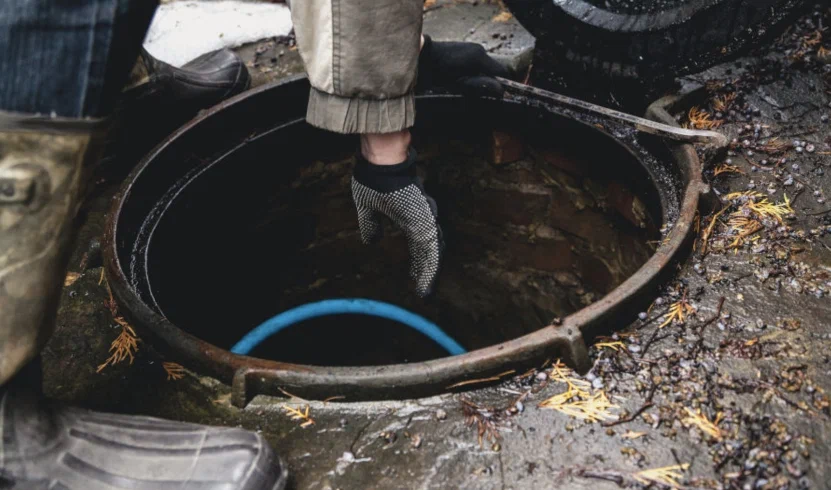
If a clogged sewer or drain caused the flooding, water extraction alone will not solve the complete problem. The blockage may also need to be cleared before normal plumbing use can resume.
A broken or leaking pipe may require a different response.
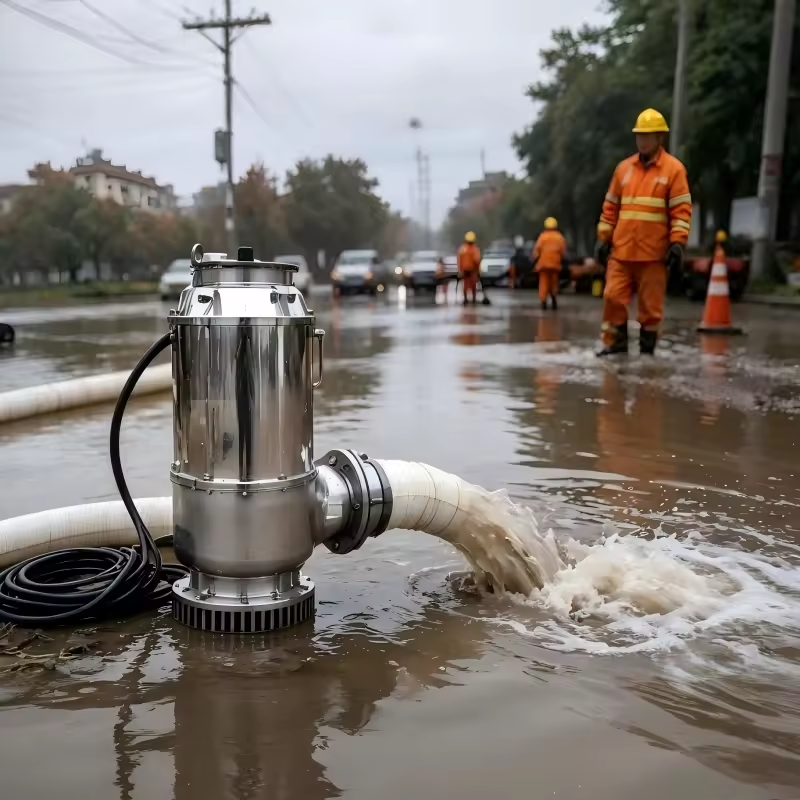
Once incoming water has been controlled, extraction equipment can remove standing water from accessible areas.
Cleanup can then move toward evaluating wet materials, removing debris, treating affected surfaces, and beginning the drying process.
The amount of work depends on how long the water remained, what it contacted, and whether contamination is involved.
Flood Cleanup in New Dorp, NY
Property owners needing flood cleanup in New Dorp, NY may encounter water problems connected with sewer backups, drainage failures, plumbing leaks, or severe weather.
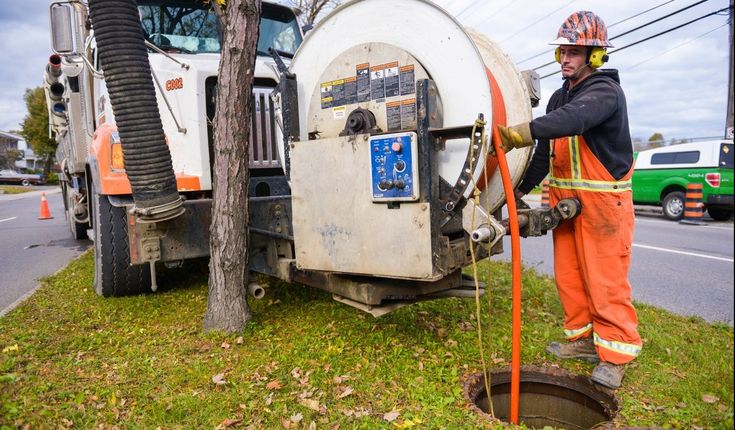
The New Dorp service area supports sewer and drain work, water jetting, inspections, repairs, and emergency response for local properties.
When flooding begins, homeowners should pay attention to where water first appears.
Water rising from a floor drain can indicate something different from water entering through a damaged supply line.
Several plumbing fixtures backing up at the same time may suggest a larger drainage restriction.
Sharing these details with the service team can help guide the initial assessment.
Property owners should also move unaffected belongings away from the wet area when it is safe to do so, especially items stored directly on basement or garage floors.
Water Removal in South Beach, NY
Homeowners and businesses looking for water removal in South Beach, NY may need rapid assistance when standing water begins affecting finished rooms, basements, storage areas, or commercial spaces.
South Beach properties can experience drainage and sewer issues that require more than simply removing visible water.
If the source remains active, the area may refill after extraction.
That is why flood response should include identifying the plumbing or drainage condition whenever possible.
Commercial properties can face additional challenges because water may interrupt customer access, employee work areas, storage, equipment, or daily operations.
The cleanup plan should prioritize affected areas according to water depth, contamination, building materials, and how the property is used.
Basements Often Experience the Most Water
Basements are especially vulnerable because they sit below other portions of the property.
Water from sewer backups, heavy drainage problems, plumbing failures, or exterior entry can collect at the lowest available point.
Finished basements can be more complicated to clean because water may affect carpet, drywall, baseboards, furniture, insulation, cabinetry, and stored belongings.
Unfinished basements still require attention because standing water can leave dirt, residue, odors, and moisture behind.
Removing visible water is only the beginning.
Materials that absorbed water should be evaluated, and hidden areas may need additional drying.
Property owners should avoid assuming the basement is completely dry simply because the floor surface no longer has standing water.
The Source of the Flood Changes the Cleanup
Not all floodwater presents the same conditions.
Clean water from a supply-line leak is different from water that has traveled through a sewer system.
A sewer backup can contain waste and other contaminants, so direct contact should be avoided.
Stormwater can also carry dirt and debris into a building.
Understanding the source helps determine how affected materials should be handled.
Items exposed to relatively clean water may sometimes be dried and restored more easily than materials contaminated by sewage.
When the source is uncertain, property owners should avoid unnecessary contact until the situation has been evaluated.
AAA Sewer & Drain also provides sewage removal and sanitizing services when contaminated water is part of the flooding event.
Fast Water Extraction Can Limit Spread
Standing water continues affecting a property as long as it remains in place.
It can move beneath flooring, reach drywall, enter storage areas, and spread into adjoining rooms.
Prompt extraction helps reduce the amount of time building materials remain exposed.
The process may involve pumps, extraction equipment, or other tools depending on water depth and accessibility.
Large volumes of water require a different approach from small localized areas.
Furniture and belongings may also need to be moved so water beneath them can be reached.
Once the bulk water is removed, attention can shift toward moisture remaining within materials and harder-to-reach areas.
Drying Continues After the Floor Looks Clear
A floor that looks dry can still contain moisture beneath the surface or around nearby construction materials.
Water can move under flooring, behind baseboards, into drywall, and around framing.
Drying therefore continues after visible standing water has been removed.
Air movement and other drying methods can help moisture leave affected surfaces.
The time required depends on the amount of water, material type, ventilation, temperature, and how long the area remained wet.
Property owners should avoid replacing flooring or closing damaged wall areas before they are reasonably dry.
Covering moisture too early can make later problems more difficult to identify.
Protecting Belongings During a Flood
Basements, garages, and storage areas often contain belongings directly on the floor.
Cardboard boxes can absorb water quickly, while furniture, fabrics, documents, and other porous items may be affected even when water depth is relatively low.
When it is safe, unaffected items can be moved away from the flooded area.
Items already exposed to contaminated water require more careful handling.
Property owners may also want to document damaged belongings before disposal when records may be useful later.
After cleanup, storing important items on shelving or raised platforms can provide additional protection from smaller future water events.
This does not prevent flooding, but it can reduce direct contact between belongings and water collecting at floor level.
Drain and Sewer Problems Can Cause Repeat Flooding
A flooded area should not be considered fully resolved if the drainage problem that caused it remains untreated.
Grease buildup, roots, debris, damaged pipes, and severe clogs can restrict wastewater flow until it backs up through lower fixtures or floor drains.
A Flood Specialist may therefore work alongside drain or sewer services when the flooding originates from plumbing.
Video inspection can sometimes help when backups continue returning and the cause is not clear.
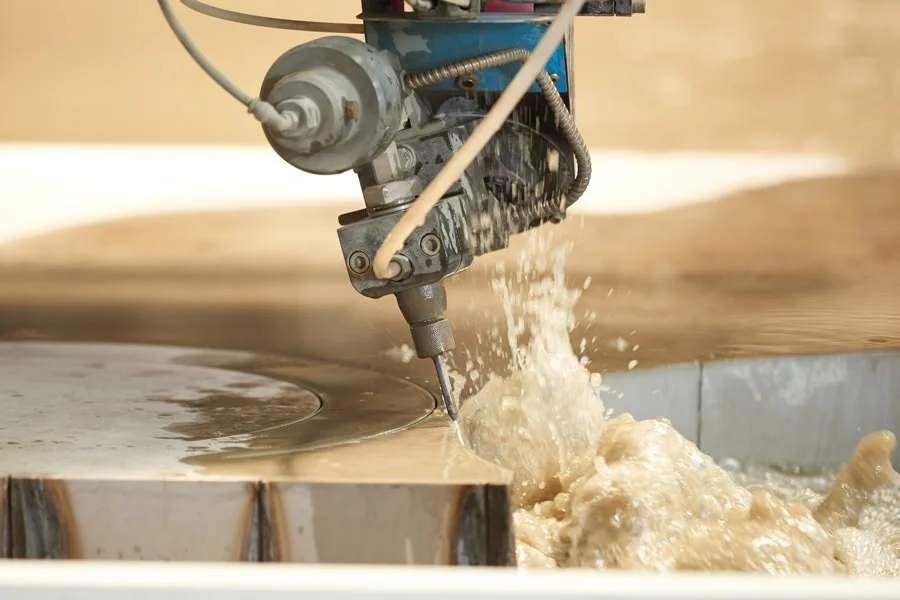
Water jetting or other drain-cleaning methods may be appropriate for certain types of buildup.
The important point is to address both parts of the problem: the water already inside the property and the condition that allowed it to enter.
Cleaning and Sanitizing Affected Areas
Flood cleanup can leave dirt, residue, or contaminants even after extraction and drying begin.
Hard surfaces may require cleaning, while contaminated areas can need additional sanitizing.
Sewage-related flooding deserves particular care because visible cleanliness does not mean contamination has been removed.
Porous materials may require different handling depending on how heavily they were exposed.
Property owners should also pay attention to persistent odors.
A strong smell remaining after cleanup can indicate that wet or contaminated material is still present in a hidden area.
Using fragrance alone may cover the odor temporarily without addressing its source.
Proper cleaning should focus on the affected material rather than simply making the room smell better.
Flooding in Commercial Properties
Commercial flooding can interrupt business quickly.
Water may block entrances, affect inventory, reach electrical equipment, damage office materials, or make customer areas temporarily unusable.
Warehouses and retail buildings can also contain larger open spaces where water spreads farther before being noticed.
Business owners should identify which areas need immediate access restored and which can remain closed during cleanup.
Important equipment or inventory that remains dry should be moved away from affected sections when practical.
Documentation can also be useful when several areas or items are involved.
Professional cleanup can then focus on removing water while minimizing unnecessary disruption to unaffected parts of the property.
Reducing the Risk of Another Flood
Some flooding events cannot be predicted, but recurring plumbing-related problems often provide warning signs.
Slow drains, repeated sewer backups, gurgling fixtures, unusual odors, or water appearing around floor drains can indicate that the drainage system needs attention.
Property owners should avoid waiting for a complete blockage when these symptoms repeatedly occur.
Routine drain maintenance and timely repairs can reduce certain backup risks.
Exterior drainage should also be monitored when water consistently collects near entrances or foundations.
AAA Sewer & Drain offers related drain cleaning, sewer work, water removal, and emergency services that can help property owners address the conditions associated with repeat flooding.
Choosing a Flood Specialist
A flood professional should begin by understanding where the water came from and how much of the property is affected.
Property owners can explain when flooding started, whether water is still entering, which rooms are involved, and whether similar problems have happened before.
The service scope should identify extraction, cleanup, drying, sanitizing, or related sewer and drain work when applicable.
For sewage-related water, customers should also understand how contaminated surfaces and materials will be handled.
AAA Sewer & Drain provides flood response alongside plumbing and drainage services, which can be useful when the emergency is connected with a blocked sewer or drain.
The objective should be to remove the immediate water while also identifying what needs to happen before the affected area can return to normal use.
Conclusion
A Flood Specialist can help homeowners and businesses respond when unexpected water enters basements, garages, finished rooms, storage areas, or commercial spaces.
For properties in New Dorp and South Beach, the best response begins with identifying the source and limiting additional water whenever it can be done safely.
Standing water can then be extracted, affected materials evaluated, and the area cleaned and dried.
When sewer or drain problems caused the flooding, those conditions should also be addressed so the cleanup does not become a repeated cycle.
Fast response is especially important when contaminated water is involved or when water is spreading into porous building materials.
By combining water extraction with proper cleanup, drying, and attention to the underlying cause, property owners can move from an unexpected flood toward a cleaner, safer, and more usable space.
Frequently Asked Questions
What does a Flood Specialist do?
A Flood Specialist can assess flooded areas, remove standing water, support cleanup and drying, and help identify plumbing or drainage conditions connected with the flooding.
Can a Flood Specialist remove water from a basement?
Yes. Professional flood services can remove standing water from basements and other affected areas using equipment suited to the amount and location of water.
What should I do when a sewer backup causes flooding?
Avoid direct contact with contaminated water, keep children and pets away, reduce use of affected plumbing when possible, and arrange professional sewer and flood cleanup.
Why does flooding sometimes return after water removal?
Flooding can return when the original source remains unresolved, such as a blocked sewer line, recurring drainage problem, leak, or continuing water entry.
Can wet walls and flooring need additional drying?
Yes. Moisture can remain beneath flooring, behind baseboards, or inside other building materials after visible standing water has been removed.
How can I reduce future plumbing-related flooding?
Address slow drains and recurring backups early, keep grease and unsuitable materials out of drains, and have repeated sewer or drainage problems professionally evaluated.