Learn about Water Jet Service in Huguenot, Staten Island for grease, sludge, roots, recurring clogs, pipe cleaning, inspection, and better drain flow tips.
Slow drains and recurring sewer backups are often signs that material has built up deeper inside a plumbing line. Grease, soap residue, sludge, debris, and other deposits can gradually narrow the usable space inside a pipe until ordinary drainage becomes difficult. In some cases, repeatedly opening one blockage does not remove the material coating the rest of the line. AAA Sewer & Drain provides sewer, drain, water-removal, and related plumbing services for homes and businesses throughout Staten Island.
Water jetting approaches the problem by using controlled high-pressure water to clean the interior of suitable drain and sewer pipes.
How Water Jetting Cleans a Drain or Sewer Line
The company’s Water Jet Service is intended for buildup and stubborn restrictions that may require more thorough pipe cleaning. The condition of the plumbing still matters, however. Older or deteriorated lines may need inspection before high-pressure cleaning is selected. Understanding the symptoms, pipe condition, access points, and likely cause of the blockage helps determine whether water jetting is appropriate.
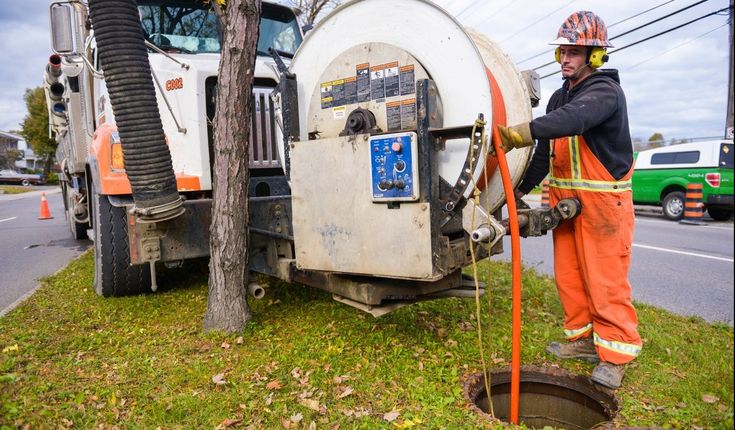
Water jetting uses specialized equipment that sends pressurized water through a hose and nozzle inside the plumbing line. The water works against accumulated material on the pipe walls and helps move loosened debris through the system.
This makes the method different from simply creating a small opening through a blockage. A mechanical cleaning tool may restore flow through a localized clog, while water jetting can address buildup along a larger section of suitable piping.
Grease is one example. Kitchen waste can collect along the inside of a drain line instead of creating one solid obstruction. Over time, the opening becomes smaller and water starts moving more slowly. High-pressure cleaning can help break up and flush away this accumulated material.
The same approach may be considered for sludge, soap residue, and other deposits. The correct pressure, nozzle, and cleaning method depend on the type and condition of the line.
Warning Signs That a Line May Need Deeper Cleaning
A completely blocked drain is an obvious problem, but many lines give earlier warning signs.
Repeated slow drainage is one. If a sink, floor drain, or other fixture improves after basic cleaning but soon slows again, buildup may remain farther inside the system. Frequent clogs can point to the same issue.
Gurgling sounds can occur when air and wastewater are struggling to move normally through a restricted line. Unpleasant drain odors may also become noticeable when organic material remains inside the plumbing.
Multiple fixtures having problems at the same time deserve particular attention. One slow sink may have a localized clog, while several affected drains can indicate a restriction deeper in the plumbing or sewer system.
Homeowners considering water jet drain cleaning in Huguenot, Staten Island should explain whether the problem is isolated or affects several fixtures. That information can help determine where further diagnosis should begin.
Water Jetting and Standard Drain Cleaning Serve Different Needs
Not every clogged drain requires high-pressure water. A simple blockage close to a sink, shower, or toilet may respond well to another cleaning method.
Water jetting becomes more relevant when the problem involves significant buildup, repeated restrictions, or a larger portion of the pipe that needs cleaning. Grease-heavy lines are a common example because opening a pathway through the material may not remove deposits remaining along the walls.
The two approaches can therefore serve different purposes. Standard drain cleaning may focus on restoring an opening through a particular obstruction. Water jetting can provide broader interior cleaning when the pipe condition and type of buildup make it suitable.
A good service decision should be based on what is actually happening inside the line rather than automatically choosing the most aggressive method.
Pipe Condition Should Be Considered First
High-pressure water can be effective, but not every pipe should be treated the same way. Older, weakened, cracked, heavily corroded, or otherwise deteriorated plumbing may require additional evaluation before jetting.
This is where a video pipe inspection can sometimes help. Camera equipment may reveal broken areas, root intrusion, major obstructions, corrosion, or unusual conditions inside an accessible line.
If the pipe has a structural problem, cleaning alone will not correct it. Water jetting may remove accumulated material, but a damaged section can still require repair.
Property owners should also provide any known plumbing history. Previous sewer repairs, recurring root problems, repeated backups, or an older drainage system can all be relevant when choosing a cleaning method.
The objective is not simply to apply pressure. It is to clean the line using an approach appropriate for its condition.
Grease and Sludge Can Build Up Gradually
Many serious drain problems develop slowly. Kitchen grease, soap residue, food material, and other waste can cling to pipe walls. Additional debris then catches on the existing buildup, gradually reducing the opening.
Commercial kitchens may experience this problem because of frequent food preparation, but residential kitchen lines can accumulate grease too. Pouring cooking oils and fats down a drain increases the amount entering the plumbing system.
Bathroom and utility drains can collect different material, including soap residue, hair, sediment, and general debris.
When buildup develops over a long section of pipe, clearing one point may provide only temporary improvement. More thorough cleaning can help restore a larger portion of the interior diameter when the line is suitable for jetting.
Prevention remains useful afterward. Keeping grease, wipes, food scraps, and other unsuitable material out of drains can reduce the amount of new buildup entering the system.
Tree Roots May Require More Than One Step
Tree roots can enter sewer lines through cracks, joints, or damaged areas where moisture is available. Once inside, they can catch waste and contribute to repeated restrictions.
High-pressure water may help remove some root material depending on the circumstances, but cleaning does not repair the opening that allowed roots to enter.
This distinction is important. If a line repeatedly develops root-related problems, the underlying pipe condition may need further investigation.
Camera inspection can provide useful information about where roots appear and whether visible damage is present. Once the line is cleaned, property owners can discuss whether additional repair evaluation is appropriate.
Repeatedly treating symptoms without understanding why roots return can lead to the same backup occurring again.
Access Points Affect the Cleaning Process
Professional sewer and drain cleaning requires suitable access to the line. The available cleanout, pipe diameter, layout, blockage location, and distance through the system can influence how the work is performed.
Before service begins, property owners should make accessible plumbing areas easy to reach. Storage, furniture, or other belongings around basement or utility-area cleanouts may need to be moved.
It also helps to describe where problems are occurring. Note which fixtures drain slowly, when backups happen, and whether using one fixture causes water to appear somewhere else.
These details can help narrow down whether the restriction is likely close to one fixture or farther into the main drainage system.
Good preparation does not require homeowners to diagnose the problem themselves. It simply gives the technician useful information before equipment is introduced into the line.
Water Jetting Can Be Useful for Recurring Problems
One of the strongest reasons to consider deeper drain cleaning is a blockage that keeps returning.
If the same line repeatedly slows down after temporary clearing, material may remain on the pipe walls. Removing more of that buildup can sometimes help improve drainage and reduce certain recurring restrictions.
However, repeated problems can also indicate another condition. Damaged piping, root intrusion, poor alignment, or other structural concerns will not necessarily be solved by cleaning.
For property owners considering high-pressure pipe cleaning in Annadale, Staten Island, keeping track of how often the problem returns can provide helpful context. A drain that blocks once after an unusual event is different from a sewer line that backs up every few months.
AAA Sewer & Drain may also use diagnostic information to help determine whether cleaning or another service is the more appropriate next step.
What to Do After the Line Is Cleaned
Restored drainage does not mean everyday plumbing habits should return to the same patterns that contributed to the buildup.
Avoid pouring cooking grease and oil down kitchen drains. Even when liquid while warm, grease can cool and collect inside piping. Food scraps should also be kept out whenever possible.
Only appropriate materials should be flushed through toilets. Wipes and other products can contribute to sewer restrictions even when packaging suggests they can be flushed.
Hair screens can reduce the amount of material entering showers and bathroom drains. Property owners should also respond to slow drainage early rather than waiting until wastewater begins backing up.
If a line has a history of repeated problems, periodic evaluation may be more useful than relying only on emergency cleaning after complete blockage occurs.
Water Jetting Is Cleaning, Not Pipe Repair
It is important to separate drain cleaning from sewer repair.
Water Jet Service is intended to remove suitable buildup and restrictions from the interior of plumbing lines. It does not reconstruct cracked piping, correct a collapsed sewer, repair separated joints, or permanently seal root-entry points.
A line may flow much better after cleaning while still having a physical defect that requires separate attention.
This is why diagnosis is important when problems repeatedly return. The goal is to understand whether the main issue is accumulated material, structural damage, or a combination of both.
Homeowners and businesses can make better repair decisions when cleaning results and pipe condition are considered together rather than assuming every sewer problem has the same cause.
Conclusion
Water Jet Service can be a useful option for drain and sewer lines affected by grease, sludge, debris, recurring buildup, and certain stubborn restrictions. Its value comes from cleaning more of the interior pipe surface rather than simply creating a temporary pathway through accumulated material.
For properties in Huguenot, paying attention to recurring clogs, slow drains, odors, and multiple affected fixtures can help identify when professional evaluation is warranted. In Annadale, property owners dealing with repeated sewer problems should also consider whether pipe condition or root intrusion may be contributing to the issue.
AAA Sewer & Drain provides water jetting alongside other sewer and drain services throughout Staten Island. Choosing the cleaning method based on the actual condition of the line—and improving drain habits afterward—can help property owners manage plumbing problems more effectively.
Frequently Asked Questions
What is Water Jet Service?
Water Jet Service uses high-pressure water delivered through specialized drain-cleaning equipment to remove grease, sludge, debris, and other suitable buildup from the interior of sewer and drain pipes.
When should I consider water jetting instead of regular drain cleaning?
Water jetting may be considered when clogs repeatedly return, drainage remains slow, heavy buildup is suspected, or a larger section of pipe needs cleaning. The right method depends on the blockage and pipe condition.
Is water jetting safe for every drain or sewer pipe?
No. Older, damaged, weakened, or deteriorated pipes may need inspection before high-pressure cleaning is used. The condition of the plumbing should guide the cleaning method.
Can water jetting remove grease from drain lines?
Yes. High-pressure water can help remove accumulated grease and sludge from suitable drain and sewer pipes, including material attached to the interior walls.
Can water jetting permanently solve tree-root problems?
Water jetting may help remove certain root intrusions, but it does not repair the crack, joint, or damaged pipe area where roots entered. Recurring root problems may require additional inspection or repair.
How can I reduce drain buildup after water jetting?
Keep grease, food waste, wipes, excessive hair, and unsuitable materials out of drains. Address slow drainage early and consider professional evaluation when clogs or backups repeatedly return.