Cleaning & Draining services in Huguenot, NY clear stubborn clogs, improve water flow, reduce backups, and help keep your property drains working properly.
Slow drains rarely improve on their own. A sink that takes longer to empty, water collecting around a shower drain, bubbling sounds from plumbing fixtures, or recurring clogs can all point to material building up inside the drainage system. AAA Sewer & Drain provides sewer, drain, water removal, and cleanup services throughout Staten Island for homes and businesses dealing with drainage problems. Professional Cleaning & Draining can address blockages caused by grease, soap residue, hair, food waste, sediment, and other debris before they develop into more disruptive backups. Properties in Huguenot, South Beach, and surrounding communities may also have older drainage systems where recurring problems deserve closer attention instead of repeated temporary fixes. The right service starts with understanding which fixtures are affected, how quickly the issue developed, and whether the problem is limited to one drain or involves several areas of the building.
What Cleaning & Draining Services Address
Professional Cleaning & Draining focuses on restoring normal water flow while removing material that restricts drains and sewer lines.
A kitchen sink may become slow because grease and food residue gradually collect inside the pipe. Bathroom drains often develop buildup from hair, soap, and personal care products. Floor drains can collect dirt, sediment, and debris over time.
Main drainage lines can present more serious problems because several fixtures may depend on the same pipe.
The service approach should match the location and severity of the blockage.
A minor restriction near one fixture may need a different method from a main-line problem affecting toilets, tubs, and sinks throughout the property.
Understanding the pattern of symptoms helps technicians choose the right tools instead of treating every clog the same way.
Drain Cleaning in Huguenot, NY
Homeowners looking for drain cleaning in Huguenot, NY may first notice slower drainage in frequently used kitchens or bathrooms.
AAA Sewer & Drain’s Huguenot page specifically addresses blocked sinks, bathroom drains, backed-up main lines, water jetting, and video camera inspection.
A single slow sink may indicate a localized blockage.
When several fixtures begin draining slowly at the same time, the restriction may be located farther inside the drainage system.
Property owners should pay attention to whether water backs up into another fixture when a toilet is flushed or a washing machine drains.
That type of interaction can provide useful information about where the problem may be occurring.
Addressing the issue while water is still moving can be easier than waiting until the line becomes completely blocked and wastewater begins backing up into the property.
Sewer and Drain Cleaning in South Beach, NY
Property owners needing sewer and drain cleaning in South Beach, NY may face problems ranging from simple household clogs to restrictions deeper in the sewer line.
The South Beach area page supports drain cleaning, sewer inspection, hydro-jetting, and service for blocked toilets, sinks, showers, and sewer lines.
Older buildings can accumulate years of grease, soap residue, scale, and other material inside drainage pipes.
Businesses may experience faster buildup because kitchens, restrooms, floor drains, and other plumbing fixtures can receive heavier use throughout the day.
The best response depends on how widespread the problem is.
Repeatedly clearing the same fixture without identifying why it keeps clogging can leave the underlying issue unresolved.
Professional evaluation helps determine whether routine cleaning is enough or whether the line needs deeper inspection.
Why Kitchen Drains Become Slow
Kitchen drains handle more than water.
Small food particles, cooking oils, sauces, soap, and other residues can enter the drain during everyday use.
Grease is especially troublesome because it may enter the pipe while warm and then cool against the interior surface.
Over time, other debris can stick to that layer and reduce the available space for water to move.
The first sign may simply be slower drainage.
Later, homeowners may notice standing water in the sink or recurring clogs that return shortly after basic cleaning.
Keeping fats, oils, and grease out of the drain can reduce buildup.
Using sink strainers can also help catch food particles before they enter the plumbing system.
When a kitchen drain repeatedly slows down, professional cleaning can address material deeper inside the pipe.
Bathroom Drains Develop Different Blockages
Bathroom plumbing often experiences a different type of buildup.
Hair can combine with soap residue, toothpaste, personal care products, and mineral deposits to create stubborn restrictions.
Shower and tub drains may slow gradually, giving homeowners time to notice the change before the line blocks completely.
Bathroom sinks can develop buildup around the drain assembly and farther inside the trap or branch line.
Toilets can also experience blockages when too much paper or unsuitable materials enter the system.
Different fixtures should not automatically be treated with the same cleaning method.
The location of the restriction, pipe condition, and material causing the problem all influence the right approach.
Professional cleaning is especially useful when plunging provides only temporary relief.
Several Slow Drains Can Signal a Larger Issue
One slow fixture often points toward a local problem.
Several slow fixtures can tell a different story.
If sinks, tubs, showers, and toilets begin acting differently around the same time, the problem may involve a shared drainage line.
Homeowners might also hear gurgling sounds or notice water moving unexpectedly between fixtures.
A toilet may bubble when another drain is used, or water may rise through a lower floor drain when an appliance empties.
These symptoms deserve attention because the blockage can continue restricting wastewater flow until a backup occurs.
A technician can evaluate the affected fixtures and determine whether cleaning should focus on an individual branch line or a larger sewer connection.
Water Jetting for Heavy Drain Buildup
Some drainage lines contain buildup that ordinary clog removal does not fully clear.
High-pressure water jetting can be useful when suitable pipes contain grease, sludge, and accumulated debris along their interior surfaces.
Instead of opening only a small path through the blockage, water pressure can help wash material from more of the pipe wall.
The method is not automatically appropriate for every system.
Pipe condition should be considered before high-pressure cleaning is performed.
Older, damaged, or weakened lines may require additional evaluation.
Water jetting can be especially useful for recurring grease problems in commercial kitchens or drainage systems where heavy buildup continues causing slow flow.
The goal is to restore a cleaner pathway while matching the cleaning method to the condition of the pipe.
Video Inspection Helps With Recurring Problems
A drain that clogs once may simply need cleaning.
A line that repeatedly blocks in the same location can require more investigation.
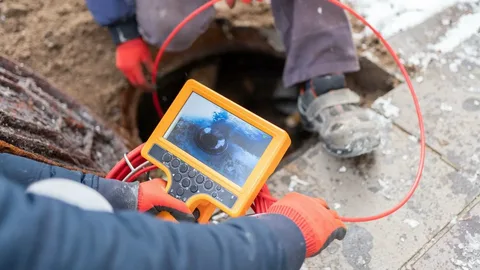
Video pipe inspection allows technicians to examine accessible sections of the drainage system from inside the pipe.
The camera may reveal accumulated debris, tree root intrusion, damaged sections, alignment problems, or other conditions contributing to repeated trouble.
This information can help separate a maintenance problem from a repair problem.
If buildup is responsible, professional cleaning may provide the needed solution.
If the pipe is damaged, repeatedly cleaning the line may only provide temporary relief.
Inspection can therefore be useful when drainage problems continue returning despite previous service.
Avoid Common Habits That Lead to Clogs
Many drain problems develop gradually from everyday habits.
Cooking oil should not be poured into kitchen sinks.
Large amounts of food waste can also create restrictions, particularly when grease is already present.
Bathroom drains benefit from strainers that catch hair before it moves deeper into the plumbing.
Only appropriate materials should be flushed through toilets.
Items described as disposable or flushable can still contribute to drainage problems depending on how they break down and the condition of the sewer line.
Property owners should also avoid ignoring slow drainage for long periods.
A drain that takes progressively longer to empty is giving an early warning that the available opening inside the pipe may be getting smaller.
Commercial Properties Need Consistent Drain Performance
Drainage problems can create immediate operational issues for businesses.
Restaurants depend on kitchen sinks, floor drains, and restroom plumbing throughout the day.
Retail properties need functioning customer and employee restrooms.
Offices, warehouses, and other commercial buildings may also have multiple fixtures connected to shared drainage lines.
A clogged drain can therefore affect more than convenience.
It may force part of the property to close until normal plumbing operation is restored.
Commercial customers should pay attention to patterns such as repeated grease buildup, slow floor drains, or restrooms that frequently require service.
Periodic cleaning may be useful for certain high-use drainage systems where buildup is predictable.
The maintenance schedule should be based on actual operating conditions rather than a fixed interval that may not suit every business.
Cleaning After a Drain or Sewer Backup
A severe blockage can sometimes cause wastewater to leave the plumbing system and enter the property.
Once that happens, restoring drainage is only part of the job.
Standing water may need removal, and affected surfaces may require cleaning and sanitizing depending on the type of water involved.
Property owners should avoid direct contact with sewage-contaminated water.
Children and pets should also be kept away from affected areas.
The source of the backup needs to be addressed before cleanup is considered complete.
Otherwise, wastewater may return even after the visible mess has been removed.
Drain cleaning, water extraction, and sanitation can become connected parts of the same service when a blockage has already caused an overflow.
Know When DIY Drain Cleaning Is Not Enough
Simple clogs near the surface may sometimes respond to a plunger or basic drain maintenance.
Repeated problems deserve more caution.
Chemical drain products can be harsh on certain plumbing materials and may not remove the actual cause of a deeper blockage.
They can also leave liquid inside a completely blocked drain, creating another concern when the pipe is later opened.
Property owners should avoid repeatedly trying different products when several fixtures are affected or wastewater is beginning to back up.
Those symptoms can indicate a problem beyond the reach of ordinary household methods.
Professional equipment allows technicians to work farther inside the drainage system and evaluate whether cleaning alone is likely to solve the problem.
Preventive Drain Care Makes a Difference
Good drain habits can reduce unnecessary plumbing problems.
Kitchen grease should be collected separately rather than washed down the sink.
Food strainers can limit solid material entering the drain.
Hair catchers can help protect shower and tub lines.
Property owners should also act when drainage speed changes.
A sink that suddenly takes twice as long to empty deserves attention even if it has not stopped completely.
AAA Sewer & Drain provides cleaning, inspection, and related sewer services throughout Staten Island, giving property owners options when routine prevention is no longer enough.
Early cleaning can often address buildup before it develops into a complete blockage that disrupts multiple fixtures.
Choosing a Cleaning & Draining Contractor
A drain contractor should begin by asking which fixtures are affected and how long the problem has been occurring.
Property owners should mention previous clogs, sewer backups, unusual noises, odors, or earlier repair work.
The contractor can then decide which part of the drainage system needs attention.
Ask what cleaning method is being recommended and why it fits the problem.
For recurring issues, property owners may also want to know whether video inspection could help identify the source.
A clear explanation is particularly important when the same drain has already been serviced several times.
The goal should be restoring normal drainage while understanding whether anything else is contributing to the repeated blockage.
Conclusion
Cleaning & Draining services help restore normal water flow when grease, hair, soap residue, food waste, sediment, or other debris begins restricting plumbing lines.
For properties in Huguenot and South Beach, slow sinks, backed-up showers, gurgling fixtures, recurring clogs, and several drains acting up at once can all indicate that professional attention is needed.
The right service depends on whether the restriction is close to one fixture or located deeper within the sewer system.
Water jetting and video inspection may also be useful when buildup is heavy or problems continue returning.
By addressing slow drainage early and improving everyday drain habits, property owners can reduce the risk of complete blockages and unexpected wastewater backups.
Professional cleaning can then focus on restoring reliable flow while identifying larger sewer concerns when symptoms suggest something beyond an ordinary clog.
Frequently Asked Questions
What does Cleaning & Draining include?
The service can include clearing clogged drains, removing buildup, improving water flow, cleaning drainage lines, and evaluating recurring sewer or drain problems.
What are common signs that a drain needs cleaning?
Slow drainage, standing water, gurgling sounds, unpleasant odors, recurring clogs, and water backing up into other fixtures are common warning signs.
Can Cleaning & Draining help with kitchen sink clogs?
Yes. Professional cleaning can address grease, food residue, soap, and other buildup that commonly restricts kitchen drainage lines.
Why do several drains become slow at the same time?
Multiple affected fixtures can indicate a restriction in a shared branch line or main sewer connection rather than a problem limited to one drain.
Can water jetting be used for clogged drains?
Yes, when the pipe condition is suitable. High-pressure water can remove grease, sludge, and other heavy buildup from many drainage systems.
When should a video pipe inspection be considered?
Inspection can be useful when clogs repeatedly return, several fixtures are affected, or standard cleaning does not explain the source of the drainage problem.