Learn how professional drain cleaning in Annadale, Staten Island clears stubborn clogs, improves drainage, and helps reduce recurring plumbing problems.
A slow sink, standing water in a shower, or a drain that keeps clogging can become more than a daily annoyance. These problems often point to buildup inside the drainage system, and household methods may provide only temporary relief. AAA Sewer & Drain provides drain and sewer services throughout Staten Island, including professional cleaning for residential and commercial plumbing systems. Proper drain cleaning focuses on removing material that restricts water flow instead of only opening the visible clog. For property owners in Annadale and nearby communities, understanding why drains clog, when professional cleaning is appropriate, and how to reduce repeat problems can make maintenance easier. Knowing whether an issue affects one fixture or several can also help distinguish a small local blockage from a deeper drainage problem. That distinction can guide the next practical step. This guide covers warning signs, cleaning methods, maintenance, and questions to ask before scheduling service.
Why Professional Drain Cleaning Matters
Drain lines carry wastewater away from household fixtures. Over time, grease, soap residue, hair, food particles, mineral deposits, and debris can collect along pipe walls, narrowing the opening and slowing water flow.
Clearing More Than the Visible Clog
A plunger may open a small blockage near a fixture, but recurring slow drainage can indicate buildup farther inside the pipe. Professional drain cleaning is designed to reach deeper restrictions and remove material that basic household methods may leave behind.
The correct cleaning method depends on the type of clog, pipe location, accessibility, and the condition of the drainage system.
Protecting Normal Plumbing Function
When several drains slow down, or water backs up into another fixture, the problem may involve a larger section of the drainage system. Addressing the restriction early can help prevent a full blockage and reduce disruption inside the property.
Common Signs Your Drains Need Attention
Drain problems often give warning signs before a line becomes fully blocked. Recognizing them can help you decide when simple maintenance is no longer enough.
Slow Water Movement
Water that pools around a shower drain or takes longer than normal to leave a sink often indicates partial obstruction. One slow fixture may have a local clog, while several slow fixtures can suggest a deeper issue.
Recurring Clogs
A drain that clears and then blocks again may still contain grease, hair, soap buildup, or other material. Repeated temporary fixes often allow the same problem to return.
Odors, Gurgling, and Backups
Unpleasant drain odors, bubbling sounds, or water appearing in a nearby fixture can indicate restricted flow or trapped material. A professional assessment can help determine where the problem is located.
What Commonly Causes Drain Blockages?
Different fixtures collect different kinds of debris, so the cause often depends on how the drain is used.
Kitchen Drain Buildup
Kitchen lines commonly collect grease, oil residue, food particles, and soap. Grease can cool inside the pipe and stick to the walls, where additional debris may attach and gradually narrow the line.
Bathroom Drain Buildup
Bathroom sinks, tubs, and showers frequently collect hair, soap residue, personal-care products, and mineral deposits. These materials can combine into dense obstructions that reduce the available opening inside the drain.
Deeper Restrictions
Foreign objects can create blockages, while recurring trouble may point to a larger sewer or drain issue. If cleaning does not solve it, further inspection may be needed.
How Professional Drain Cleaning Works
A proper service starts by identifying the location and likely cause of the restriction. The cleaning method should match the actual condition of the line instead of using one approach for every clog.
Initial Evaluation
A technician may check affected fixtures and determine whether one or several drains are involved. This helps separate a local clog from a deeper restriction.
Mechanical Cleaning and Water Jetting
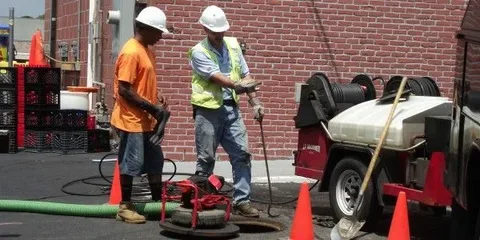
Specialized equipment can break through or remove buildup that household tools cannot reach. For some residue, water jetting may help clean pipe walls and move loosened material through the system. Pipe condition, access points, and the type of debris influence which method is appropriate.
Drain Cleaning in Annadale, Staten Island
Property owners dealing with slow drains or stubborn clogs can benefit from service that addresses the restriction rather than repeatedly treating the surface symptom. Drain cleaning in Annadale, Staten Island may involve kitchen sinks, bathroom drains, showers, floor drains, or larger drainage lines depending on the problem.
When to Schedule Service
Professional cleaning is worth considering when a drain stays slow, clogs keep returning, several fixtures are affected, or water begins backing up.
Reducing Repeat Problems
After the drain is cleared, everyday habits can help slow future buildup. Keeping grease, food scraps, hair, wipes, and other unsuitable material out of drains reduces the amount of debris entering the plumbing system.
Drain Service in Huguenot, Staten Island
Drainage problems can range from one blocked sink to a larger sewer-line restriction. Property owners seeking clogged drain service in Huguenot, Staten Island should note whether the issue affects one fixture or several.
Single-Fixture Problems
If only one sink or shower drains slowly, the blockage may be close to that fixture. Hair, soap buildup, food residue, or a small object can restrict flow in a local branch line.
Multiple-Drain Problems
When several fixtures are slow at once, or using one fixture causes water to appear elsewhere, the restriction may be deeper. Professional diagnosis can determine whether cleaning, inspection, or another sewer and drain service is needed.
Benefits of Routine Drain Maintenance
Drain cleaning is not only for emergencies. Maintenance can also help properties that repeatedly experience slow drainage or buildup.
Fewer Recurring Blockages
Removing accumulated material can reduce the chance that a partially restricted line will quickly clog again, especially in heavily used kitchens and bathrooms.
Better Drainage Performance
Clearer pipe openings allow wastewater to move more freely. If a line has been gradually slowing, cleaning can address residue that has collected along the inside of the pipe.
Earlier Identification of Larger Issues
If a drain continues to perform poorly after cleaning, the problem may require further inspection. Recognizing this early can keep property owners from relying on repeated temporary fixes.
Choosing the Right Drain Cleaning Service
A useful service visit should do more than temporarily open the drain. Ask how the blockage will be evaluated, what method may be used, and whether inspection could be necessary.
Ask About the Cause
A technician should be able to explain whether the problem appears related to grease, hair, debris, a foreign object, or a restriction farther down the line. Knowing the likely cause also makes prevention easier.
Ask Whether Inspection Is Needed
Recurring clogs, backups, or problems involving several fixtures may require more than routine cleaning. Video pipe inspection or additional sewer and drain work may be appropriate when the source is unclear.
After service, keep grease and food scraps out of kitchen drains, use strainers where practical, remove visible hair from shower drains, and avoid flushing wipes. If the same fixture repeatedly slows, note whether other drains are affected.
Conclusion
Professional drain cleaning can restore normal water flow, remove stubborn buildup, and reduce repeated plumbing interruptions. The best approach depends on what is blocking the line, where it is located, and whether one or several fixtures are affected.
For property owners in Annadale, Huguenot, and other Staten Island neighborhoods, slow drains, repeated clogs, odors, gurgling, and backups are reasons to look more closely at the system. Good daily habits can limit buildup, while professional cleaning can address deeper restrictions.
Frequently Asked Questions
What are the most common signs that a drain needs professional cleaning?
Slow drainage, frequent clogs, unpleasant odors, gurgling sounds, standing water, and water backing up into sinks, tubs, or floor drains are common warning signs.
How long does professional drain cleaning take?
Service time depends on the location of the blockage, severity of the restriction, pipe accessibility, and the cleaning method required. A local clog may take less time than a deeper drainage problem.
Can professional drain cleaning help with recurring clogs?
Yes. If repeated clogs are caused by accumulated grease, hair, soap residue, food particles, or other debris, professional cleaning can remove material that basic household methods may leave behind.
Is drain cleaning the same as sewer line repair?
No. Drain cleaning removes blockages and buildup, while sewer line repair addresses damaged or failed piping. If cleaning does not correct the problem, further inspection may be needed.
Should I use chemical drain cleaner before calling a professional?
Chemical products are not suitable for every clog or plumbing system and may not solve deeper restrictions. If a drain repeatedly clogs or several fixtures are affected, professional evaluation can better identify the cause.
How can I reduce the chance of future drain clogs?
Keep grease, food scraps, hair, wipes, and foreign objects out of drains. Use strainers where practical, watch for slowing drainage, and address recurring problems before they develop into complete blockages.