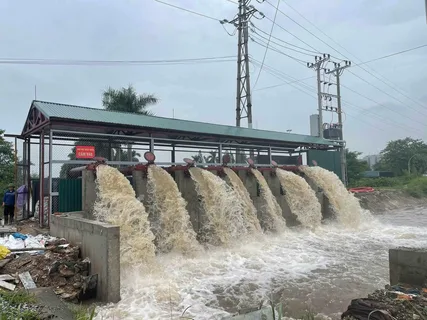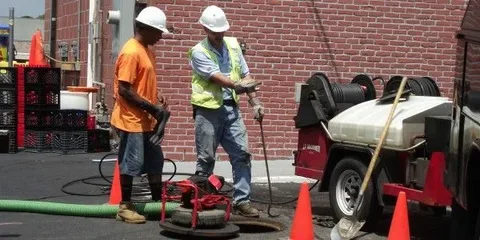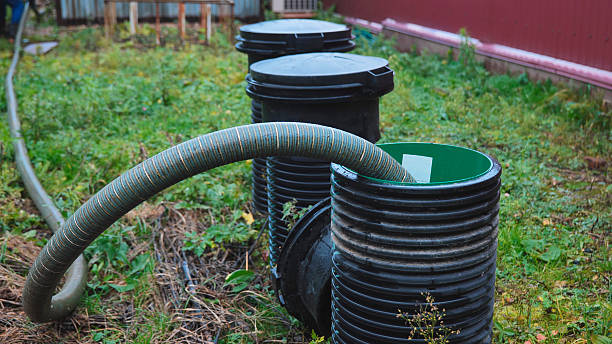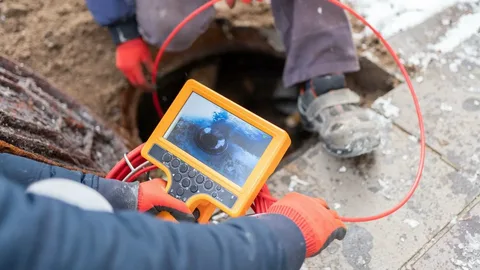
Fast Flood Pumpouts in Rosebank Staten Island NY help remove standing water quickly, reduce damage, and get your property back on track. Heavy rain, frozen pipes, and sewer backups can leave a property underwater in a matter of minutes. Once water begins to collect, every hour matters. At AAA Sewer & Drain, we’ve seen how timely Flood Pumpouts can reduce damage, protect structural materials, and make the cleanup process much more manageable for homeowners and business owners across Staten Island.
Standing water is more than an inconvenience. It can weaken flooring, soak drywall, damage electrical systems, and create conditions where mold begins growing within a day or two. Acting quickly is one of the few things property owners can control after a flooding event, and the right pumping equipment often makes the difference between a manageable repair and a much larger restoration project.
What a Flood Pumpout Service Actually Does
A flood pumpout service focuses on removing standing water safely and efficiently before drying and restoration begin. High-capacity pumps, submersible pumps, wet vacuums, moisture meters, and dehumidifiers all play different roles depending on how much water is present and where it has collected.
In Staten Island, flooding doesn’t always come from major storms. Basement seepage after days of steady rain, broken water lines, failed sump pumps, and sewer backups are common reasons properties need immediate water removal. After the water is extracted, technicians typically inspect affected building materials, identify hidden moisture pockets, and recommend the next steps to reduce long-term damage.
For larger buildings, Best Floods Pumpouts Services often require multiple pumping stages because water can spread through utility rooms, storage areas, elevator pits, and mechanical spaces. Residential properties usually need a different approach that protects finished basements, personal belongings, and home mechanical systems without causing additional disruption.
In Staten Island, we’ve noticed that most homeowners wait until water reaches several inches before calling for help. Unfortunately, moisture has usually already traveled behind baseboards and into insulation long before that point, making drying more difficult and increasing repair costs.
The Real Challenge in Staten Island
Staten Island presents conditions that make flood recovery different from many other parts of New York City. Several neighborhoods experience drainage issues during intense coastal storms, while aging underground infrastructure can contribute to sewer-related flooding after periods of heavy rainfall. Homes with finished basements often face greater repair costs because flooring, drywall, and stored belongings absorb water quickly.
One concern many property owners quietly have is whether pumping water out immediately could damage the foundation because of pressure differences. That depends on the source of flooding and surrounding soil conditions. Professional crews evaluate exterior water pressure before removing large volumes from deeply flooded spaces instead of simply emptying everything as fast as possible. Many general articles skip this question, even though it directly affects older homes.
A client in Staten Island reached out after discovering ankle-deep water in a finished basement following several days of rain. At first, they believed replacing the carpet would solve the problem. During moisture testing, damp insulation and saturated framing were found behind one wall, allowing those materials to be addressed before mold developed. Catching hidden moisture early prevented much larger repairs several weeks later.
Another point that deserves attention is the difference between visible water and trapped moisture. Expert Flood water extraction services in Rosebank Staten Island NY remove standing water, but drying equipment and moisture monitoring are equally important because wood framing and concrete continue releasing moisture long after puddles disappear.
How AAA Sewer & Drain Approaches Flood Recovery Differently
Experience matters because no two flooding situations develop the same way. AAA Sewer & Drain begins by identifying where the water originated before deciding on pumping methods, safety precautions, and drying priorities. Clean water from a supply line requires a different response than water affected by a sewer backup, and treating both situations identically can create unnecessary health risks.
Rather than focusing only on water removal, the process includes checking floor cavities, wall assemblies, crawl spaces, utility areas, and other places where moisture often remains hidden. Moisture mapping with specialized meters helps determine whether drying is progressing or whether additional extraction is needed before restoration starts.
One content gap often found in general flood service articles is what happens after the pumps stop running. Water removal is only the first stage. Materials such as engineered wood flooring, insulation, drywall, and subfloor panels all dry at different rates. Closing walls too early or installing replacement flooring before moisture levels stabilize can lead to future problems that may not appear for months.
For homeowners, planning ahead also matters. Keeping the sump pump maintained, testing the backup battery before storm season, knowing where the main water shutoff valve is located, and storing valuables above basement floor level can significantly reduce damage if flooding occurs again.
Some larger facilities also benefit from a dedicated 24/7 flood pump out company because manufacturing spaces, retail buildings, and apartment complexes often cannot wait until normal business hours before beginning water removal. Quick response limits downtime and helps reduce secondary damage to equipment and interior finishes.
Practical Tips Before You Choose a Flood Pumpout Service
The first decision after a flood often feels urgent, but spending a few minutes asking the right questions can save time and money later. Ask whether the crew will check moisture levels after pumping, document the affected areas for insurance purposes, and explain which building materials can realistically be dried instead of replaced. Clear answers usually indicate an organized process.
If your basement has electrical outlets, appliances, or a breaker panel near the waterline, avoid entering until the area has been assessed for safety. Water and electricity create obvious hazards, and turning equipment back on too soon can lead to additional damage.
Working with clients in Staten Island, our team found that many property owners focus on removing the visible water but overlook moisture trapped beneath flooring or behind finished walls. Those hidden damp areas are often responsible for lingering odors and mold growth weeks after the floor appears dry.
For homeowners, a Residential flood pump out is most effective when it begins before water has time to soak deeply into drywall, insulation, and wood framing. Fast action helps preserve more of the home’s original materials and shortens the drying process.
One local consideration is insurance documentation. Before any damaged belongings are discarded, take photos and videos from several angles if it is safe to do so. Keep receipts for emergency services and temporary repairs. Organized records can make conversations with your insurance carrier much smoother.
Don’t forget to ask how the company determines that drying is complete. The answer should involve moisture readings rather than a visual inspection alone. Dry surfaces can still contain enough moisture to cause future issues, especially in basements with concrete floors and limited airflow.
Another practical step is to inspect your sump pump at least twice a year. Clean the pit, test the float switch, and verify that the discharge line remains clear. These simple maintenance tasks reduce the chance of another emergency during heavy rainfall.
Protecting Your Staten Island Property After Flooding
Recovering from a flood isn’t only about removing water—it’s about making informed decisions that reduce future repairs and protect the building for the long term. Understanding how water moves through walls, flooring, and structural materials helps you respond with confidence instead of guesswork.
If flooding affects your property in Staten Island, AAA Sewer & Drain provides flood pumpout service with an approach that emphasizes careful assessment, efficient water removal, and proper drying before repairs begin. Taking action early gives your property the best chance of avoiding larger restoration work and helps you return to normal with fewer surprises.
FAQs
How quickly should flood water be pumped out after my basement floods in Rosebank Staten Island NY?
The sooner standing water is removed, the better. Water can begin soaking into drywall, insulation, flooring, and wood framing almost immediately. Mold may start developing within 24 to 48 hours under the right conditions. Early pumping also reduces the likelihood of structural damage and often lowers overall restoration costs.
How much does a flood pumpout service cost in Rosebank Staten Island NY?
Pricing depends on several factors, including the amount of standing water, the source of the flooding, property size, equipment needed, and whether emergency service is required. A small basement generally costs much less than a large commercial property. The most accurate estimate comes after an on-site assessment.
How do I know if a flood pumpout company is legitimate?
Check that the business is properly licensed where required, insured, and willing to explain its process before work begins. Reviews, references, and clear written estimates are also helpful. A reputable company should discuss moisture testing, drying methods, and safety precautions rather than focusing only on pumping out the water.
Can I pump out the flood water myself?
Small amounts of clean water may be manageable with basic equipment if there are no electrical or safety concerns. Larger floods, contaminated water, or repeated flooding usually require professional equipment and moisture testing. Removing only the visible water may leave hidden damp areas that continue causing problems.
What happens after the standing water has been removed?
Once pumping is complete, the next steps usually include moisture measurement, drying with air movers and dehumidifiers, inspection of affected materials, cleaning, and monitoring until moisture levels return to acceptable ranges. Repairs or reconstruction should begin only after the structure has dried properly to reduce the risk of future damage.