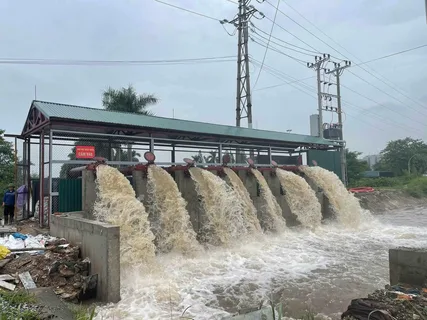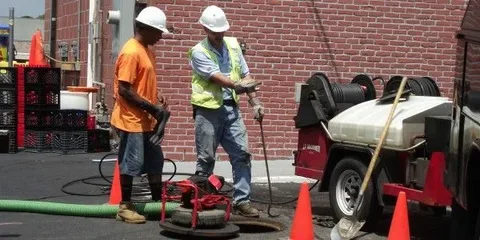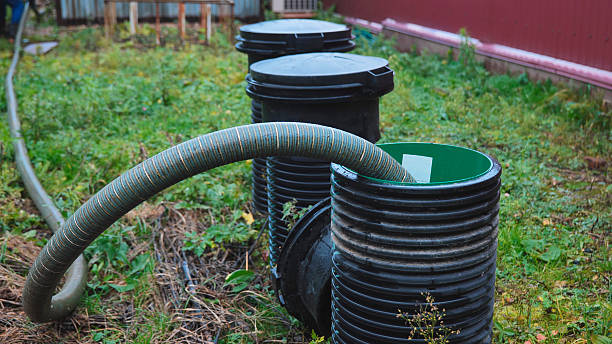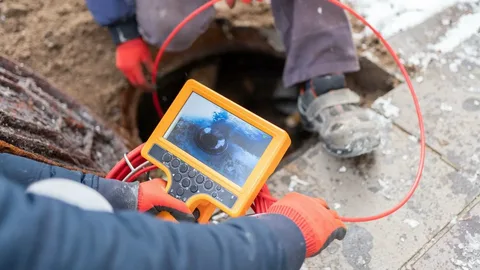
Flooding can turn a normal day into a property emergency within minutes. Heavy rainfall, sewer backups, burst pipes, failed sump pumps, and appliance leaks can leave floors and basements covered with standing water. Flood Water Extraction removes that water quickly so cleanup and drying can begin before damage spreads. AAA Sewer & Drain provides flood-related water removal services for homes and businesses across Staten Island, NY. Fast action matters because water can soak into drywall, flooring, insulation, wood, and stored belongings. A proper response focuses on removing visible water, finding hidden moisture, cleaning affected areas, and drying the structure.
Why Fast Flood Water Removal Matters
Water rarely stays where you first see it. It can move beneath flooring, enter wall cavities, soak carpet padding, and reach lower sections of drywall. A basement that appears partly wet may hold much more moisture beneath finished surfaces.
The U.S. Environmental Protection Agency recommends drying wet materials and areas within 24 to 48 hours to reduce the chance of mold growth. The EPA further recommends keeping indoor relative humidity below 60%, with 30% to 50% being preferable where practical. These guidelines show why delaying water damage cleanup can create bigger problems.Staten Island properties face several possible sources of flooding. NYC DEP states that prolonged rain can saturate the ground and allow water to enter through foundation cracks or floor drains. Heavy rainfall can overwhelm sewers and contribute to basement sewer backups.
Flood Cleanup Services for Different Water Problems
No two flooded properties need exactly the same response. Clean water from a supply pipe requires different handling than stormwater or sewage entering a basement.
Emergency water extraction in Staten Island, NY can address burst pipes, plumbing leaks, sump pump failures, overflowing fixtures, and storm-related water. Basement flood cleanup often requires high-capacity pumps or extraction equipment before technicians can inspect walls and floors.
Storm water removal may involve mud and outside debris. Sewage water extraction calls for stricter safety measures because the water may contain harmful germs or waste. The CDC warns that floodwater can contain human waste, chemicals, debris, and other contaminants.
CDC floodwater safety guidance recommends avoiding direct contact with floodwater and using protective equipment when exposure cannot be avoided.
Residential water extraction may focus on basements, living areas, kitchens, bathrooms, or utility rooms. Commercial water extraction can involve offices, retail spaces, storage areas, mechanical rooms, and other business properties.
How Professional Water Extraction Works
A professional flood pump-out service begins by checking the source and extent of the water. Technicians need to identify whether water is still entering the property before extraction starts.
Next comes standing water removal using pumps, wet vacuums, or commercial extraction equipment suited to the amount of water present. Once visible water is gone, technicians can check building materials for trapped moisture.
Structural drying services in Apopka FL may use air movers and dehumidification equipment to remove remaining moisture. Damaged porous materials may need removal when they cannot be cleaned and dried safely.
Cleaning requirements become more serious after a sewer backup. NYC DEP advises residents to thoroughly clean and disinfect homes following flooding or sewage overflow because contaminated water may carry germs. Property owners can report sewer backups to NYC 311.
NYC guidance for sewer backups and cleanup provides local information for homeowners dealing with these conditions.
Consider a Staten Island basement after several hours of intense rain. Pumping out two inches of visible water solves only part of the problem. Moisture may remain beneath vinyl flooring, inside baseboards, or behind finished walls. Moisture checks and controlled drying help find those less obvious wet areas.
What Affects Flood Cleanup Costs?
The price of flood cleanup services in Staten Island, NY depends on the size of the affected area, water depth, contamination level, materials involved, and drying time. A small clean-water incident usually requires less labor than a basement containing sewage, soaked drywall, damaged carpet, and wet insulation.
Access can affect the job too. A finished basement with furniture and stored belongings often takes more work than an open utility space. Commercial buildings may require larger extraction equipment because more square footage is involved.
Ask for an assessment before relying on a fixed online price. A provider should explain what needs extraction, what may need removal, and what drying work is expected.
Mold-related work has separate rules in New York. Article 32 of New York State Labor Law establishes licensing and minimum work standards for covered mold assessment and remediation work. The state requires licensed professionals for covered mold services and separates mold assessment from remediation responsibilities.
Choosing a Water Removal Company in Staten Island
Start by asking how the company handles the type of water affecting your property. Can the crew perform emergency flood cleanup? Do they have equipment for deep standing water? How do they check for moisture after pumping?
Response capability matters because drying should begin quickly. Ask how technicians handle contaminated water and which safety procedures they follow. Clear explanations are more useful than vague promises.
Local providers such as AAA Sewer & Drain work with water and drainage problems that Staten Island property owners may encounter. A company focused on drainage and water removal can address the source alongside the immediate cleanup rather than treating visible water as the only problem.
For sewage-related flooding, NYC DEP reports that blocked pipes caused by improper disposal of grease, wipes, and other materials are a common source of sewer backups across New York City. Finding why the water entered can help reduce the chance of another incident.
Conclusion
Flood cleanup should move from water removal to moisture checks, cleaning, and structural drying in a clear order. Document damage for insurance purposes before cleanup where it is safe to do so, then address standing water as soon as possible. If you need Flood Water Extraction in Staten Island, contact AAA Sewer & Drain to discuss the source, affected areas, and appropriate cleanup steps. A careful response can help limit further damage and get your home or business back to a dry, usable condition.
FAQ’s
How quickly should flood water be removed?
Water should be removed as soon as conditions are safe. EPA guidance recommends drying water-damaged areas and materials within 24 to 48 hours where possible because extended moisture can support mold growth. Extraction followed by dehumidification can shorten the time materials remain wet.
What does flood water extraction in Staten Island include?
The exact work depends on the property and water source. A typical service may include flood pump-out, standing water removal, moisture checks, removal of unsalvageable wet materials, cleaning, and structural drying. Sewage or contaminated stormwater requires extra safety precautions.
How much does basement flood cleanup cost in Staten Island?
Pricing varies according to water depth, basement size, contamination, damaged materials, accessibility, and required drying time. A lightly flooded unfinished basement may need less work than a finished basement with soaked drywall, flooring, insulation, and furniture. An on-site assessment provides a more useful estimate.
Is sewage water extraction safe to do myself?
Small cleanup tasks may be manageable in some situations, but sewage water can carry harmful contaminants. NYC and CDC guidance recommends protective equipment and limiting direct contact. Extensive sewage flooding is a strong reason to consider professional cleaning help.
Do I need a licensed contractor if mold appears after flooding?
New York State regulates covered mold assessment and remediation work under Article 32 of the Labor Law. Professionals performing covered mold work must meet state licensing requirements. A separate licensed mold assessor may be required to establish the remediation scope before covered remediation work begins.