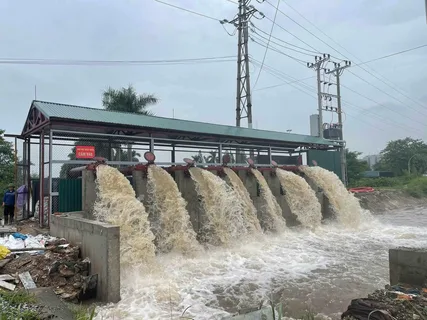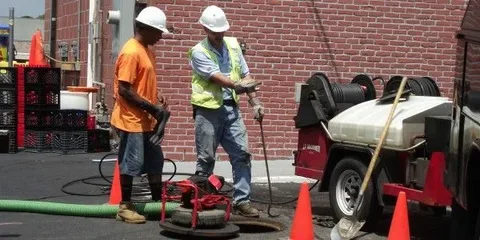
Severe coastal storms and aging municipal drainage networks frequently cause unexpected residential basement flooding across the borough. Saturated building structures require immediate mechanical pumping to prevent permanent wood rot and hazardous indoor mold colonies from developing. Securing professional Flood water extraction services in Staten Island from an experienced local team like AAA Sewer & Drain helps you protect your real estate asset from long-term structural degradation. Our emergency response crews maintain truck-mounted extraction machinery near major transit corridors to reach waterlogged properties quickly after severe weather events.
Proactive property owners recognize that structural drying requires scientific moisture monitoring alongside heavy water pumping. Standing structural water rapidly seeps into porous sheetrock walls, structural sill plates, and subfloor plywood assemblies. Property owners often coordinate these deep mechanical drying procedures with Certified flood restoration experts in Staten Island to stabilize their structural foundations safely. This rapid intervention stops bacteria from multiplying in the contaminated groundwater while preparing your interior spaces for clean reconstruction work.
Why Coastal New York Homeowners Choose Professional Water Extraction
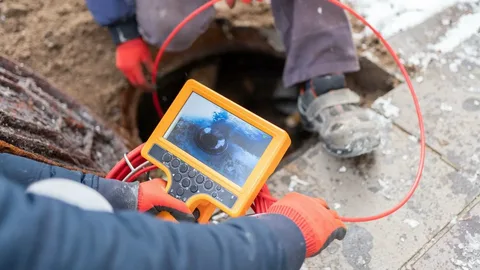
Low-lying coastal neighborhoods experience regular tidal backups and severe flash flooding during heavy seasonal rainstorms. Saturated basements create immediate electrical safety hazards and compromise the load-bearing capacity of traditional wooden floor joists. Employing a Professional Flood water extraction service in Staten Island ensures that technicians isolate utility hazards before extracting industrial volumes of contaminated water. Specialized crews use thermal imaging cameras to track hidden water pathways inside finished basement walls.
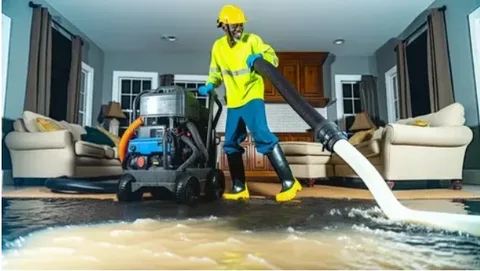
Remediating a waterlogged property independently often leaves deep pockets of hidden moisture trapped beneath finish materials. When stagnant storm runoff remains underneath hardwood floors, wood planks buckle and warp beyond physical repair. Saturated property owners address these complex drainage issues by partnering with Certified flood restoration experts in Staten Island to save their expensive structural finishes. Using commercial dehumidification equipment preserves historical building materials and limits your total property replacement losses.
Federal emergency tracking data demonstrates that fast mechanical extraction prevents long-term foundation displacement on coastal land parcels. According to the Federal Emergency Management Agency (2024), fast water extraction within twenty-four hours reduces total structural repair claims by preventing extensive secondary mold growth. Unmanaged standing water softens local clay soils, which causes concrete foundation slabs to crack under heavy residential framing loads. Professional extraction protects your private home equity by maintaining stable subgrade soil conditions.
Evaluating Mechanical Drying Equipment for Saturated Buildings
Choosing proper structural drying machinery determines how fast your basement recovers from deep storm water contamination. Submersible trash pumps handle heavy mud and solid debris efficiently but cannot remove thin sheets of surface water from concrete floors. Heavy-duty truck-mounted vacuum systems pull thousands of gallons of water from saturated carpets in a single operational hour. The following comparison matrix details common regional water extraction options alongside their primary field performance indicators.
| Extraction Equipment Type | Water Volume Capacity | Solid Debris Handling | Primary Drying Benefit | Power Source Requirement |
| Truck-Mounted Vacuum | Exceptionally High | Moderate Filtration | Rapid Deep Extraction | Internal Vehicle Engine |
| Submersible Trash Pump | High Flow Rate | Excellent Solids Capacity | Clears Deep Standing Pools | External Generator |
| Industrial Wet Vacuum | Moderate Capacity | Low Filtration | Detailed Surface Clearing | Standard Wall Outlet |
| Trailer Extraction Unit | High Flow Performance | Good Filtration | Continuous Field Operation | Dedicated Diesel Engine |
Upgrading your emergency pumping setup prevents structural wood framing from absorbing contaminated rising water during extended coastal blackouts. Are you searching for a reliable Flood water extraction service in a Staten Island provider to clear a flooded basement apartment? Expert field technicians can analyze your property layout to install high-capacity dehumidifiers that pull deep moisture out of saturated masonry blocks. Companies like AAA Sewer & Drain focus on deploying industrial desiccant equipment that dries out hidden wall cavities thoroughly. This specialized technical approach protects your structural framing from wood-boring insects and dry rot.
The Step-by-Step Restoration and Structural Dehumidification Process
Clearing a flooded residential property requires a disciplined engineering approach to remove biological contaminants and damp air safely. Crew supervisors must monitor daily moisture drop rates to keep your building structural components drying at a steady pace. Neglecting proper structural sanitizing allows dangerous bacteria to thrive on damp wood surfaces, which ruins your indoor air quality. What specific physical steps do certified water extraction technicians complete when restoring your damaged coastal property?
Damage Assessment and Emergency Utility Stabilization
The restoration process begins by surveying the flooded building to identify submerged electrical outlets and active gas supply lines. Technicians use digital moisture meters to establish a baseline reading across all affected wall and floor surfaces. This structural safety phase identifies dangerous structural weak points before heavy machinery enters the building. Workers map out the water height levels to determine the exact contamination category of the floodwater.
High-Volume Extraction and Solid Debris Removal
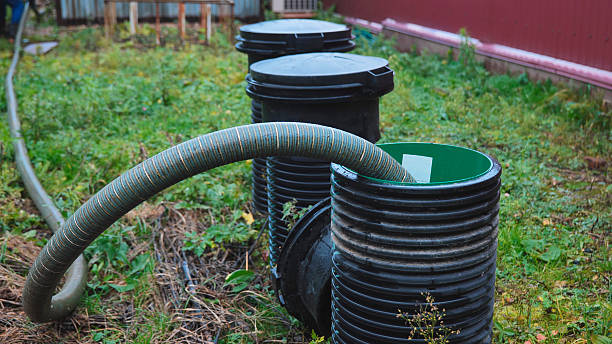
Pumping crews deploy heavy-duty suction hoses to clear standing water pools out of low-lying building levels. Workers shovel out accumulated river silt, ruined area rugs, and saturated cardboard boxes to expose the bare concrete floors. This rapid extraction phase eliminates the bulk of the standing liquid asset before it can soak deeper into structural walls. Technicians monitor the pump discharge lines continuously to ensure local storm sewers do not back up.
Structural Sanitation and Antimicrobial Treatment
Clean-up crews spray industrial-grade disinfecting agents across all exposed concrete floors and wood framing members. This deep chemical application neutralizes harmful pathogens that floodwaters carry into residential living zones.
Controlled Material Removal
Technicians cut away water-damaged drywall panels up to two feet above the high-water mark to expose wet wall studs. This strategic removal process allows trapped moisture to escape from hidden structural cavities easily.
Environmental Conditions Affecting New York Harbor Building Structures
Local maritime weather patterns determine how quickly saturated building structures can release trapped humidity into the outside atmosphere. High ambient humidity along the Arthur Kill waterway reduces the natural evaporation rate of damp foundation concrete slabs. Properties built near historic wetland zones require constant sump pump operation to manage high local water tables during spring high tides. Remediating large basement spaces during winter freezes requires temporary building heaters to keep wet water pipes from freezing solid.
Reviewing New York City Environmental Guidelines and Building Permits
Local administrative codes dictate how specialized environmental firms must handle wet materials inside older coastal residences. The New York City Department of Buildings (2025) enforces strict regulations regarding mold remediation licensing and lead paint testing during structural demolition work. Securing official municipal authorization confirms that your structural drying process follows local environmental safety laws completely. Hiring a registered Flood water extraction services in Staten Island company which ensures that your interior cleanup process satisfies these strict local health rules.
Managing Airflow Exchanges Inside Saturated Coastal Basements
Moving large volumes of damp air requires the strategic placement of industrial air movers along wet foundation perimeters. Homeowners often find that sealing basement windows stops humid coastal air from entering the building during the drying phase. Coordinating your mechanical air placement with Certified flood restoration experts in Staten Island accelerates the stabilization of your structural framing timbers. This careful equipment layout prevents moisture from condensing on cool upper-floor ceilings.
Monitoring Concrete Slab Porosity
Thick concrete foundation floors hold thousands of gallons of microscopic water droplets within their mineral pores after long flood events. Technicians must use specialized relative humidity probes inside pre-drilled slab holes to measure this hidden moisture accurately. This precise testing stops flooring contractors from installing new carpets over damp concrete slabs that would rot the fabric later.
Selecting an Insured Property Restoration Specialist in Richmond County
Property owners must review essential corporate safety credentials before hiring an emergency pumping crew to clear their homes. New York state law requires restoration companies to maintain active workers’ compensation protection and specific pollution liability insurance policies. Verifying these active legal policies protects your family savings from unexpected lawsuits if a worker gets injured on your wet property. Reliable contractors provide clear, written safety certifications rather than making verbal promises regarding their field experience.
A contractor who works exclusively on water emergencies in Richmond County — like AAA Sewer & Drain — will have handled the local permit process, know which materials hold up in maritime environments, and carry the trade-specific insurance that general contractors often skip. Reviewing recent local customer reviews helps you verify a company’s ability to handle complex structural drying projects near local coastal beaches. Trustworthy organizations provide comprehensive moisture logs instead of forcing you to accept brief verbal status updates.
Optimizing Sub-Grade Drainage to Prevent Future Household Flooding
Protecting your restored basement requires ongoing structural upgrades to divert surface rainwater away from your foundation walls. Installing an exterior French drain system collects migrating groundwater before it can press against your concrete block foundation. Homeowners should extend their roof downspouts at least six feet away from their main building footprints to minimize soil saturation. Managing these exterior drainage paths prevents hydrostatic pressure from forcing clean groundwater through small foundation cracks.
Replacing standard basement sump pumps with dual-battery backup units provides continuous pumping power during severe neighborhood blackouts. Heavy-duty cast iron pumps handle continuous runtime demands much better than cheap plastic models sold at national retail chains. Testing your emergency backup systems twice a year ensures that your equipment operates perfectly when seasonal storms arrive. Seeking guidance from an experienced Flood water extraction services in Staten Island firm helps you choose the right pump size for your basement layout.
Investing in solid water-resistant finish materials like luxury vinyl tiles protects your basement floor from future pipe leaks. Inorganic wall systems like fiberglass-faced gypsum board do not support toxic mold growth even when exposed to high humidity. Incorporating these resilient building materials minimizes your future structural repair bills if local stormwater systems overflow again. Local restoration specialists can recommend specific wall coatings that block moisture migration through older subterranean masonry structures.
Conclusion
Restoring your waterlogged property with a professional Flood water extraction services in Staten Island company provides immediate structural safety and excellent mold defense. Extracting deep basement water pools quickly prevents permanent wood rot and protects your main foundation walls from shifting over time. Combining your structural drying plan with Certified flood restoration experts in Staten Island improves your indoor air quality and preserves your real estate investment. Working with an insured local company ensures that your cleanup process follows all New York City environmental safety laws correctly.
Managing your emergency water extraction project becomes simple when you consult with knowledgeable neighborhood drainage specialists. You can ask AAA Sewer & Drain about material options for your property to receive clear, practical structural recommendations. Our local technicians provide rapid on-site inspections to help you select the ideal commercial drying setup for your home layout. Taking this proactive restoration step secures your active living spaces and keeps your coastal property safe through every seasonal storm.
FAQs
What is the standard time required to finish a typical flood water extraction project?
Most residential basement pumping projects take between three and five days to complete structural drying operations thoroughly. Deeply saturated concrete blocks or multi-layered wood subfloors can extend this drying timeline depending on local weather conditions.
How do professional extraction crews track hidden water inside finished basement walls?
Technicians utilize non-invasive infrared cameras and digital pinless moisture meters to detect moisture pockets behind sheetrock panels. This advanced diagnostic equipment allows workers to map out hidden water paths without damaging sound wall materials.
Do New York City building codes require special licensing for residential mold cleanup work?
The local environmental protection departments require official mold remediation licenses for workers handling large areas of indoor mold growth. Certified contractors manage this paperwork directly to ensure your property remediation satisfies state health regulations.
How long can structural wood framing stay wet before dangerous wood rot begins?
Structural timber materials usually start developing wood-rotting fungal colonies within twenty-four to forty-eight hours of continuous water exposure. Operating industrial dehumidifiers quickly stops this organic breakdown process and saves your floor joists.
What is the main benefit of utilizing truck-mounted vacuum units over portable extraction pumps?
Truck-mounted vacuum machinery provides significantly higher suction pressure to pull deep water out of thick floor materials quickly. This advanced extraction capability shortens your overall structural drying time and lowers your net property losses.