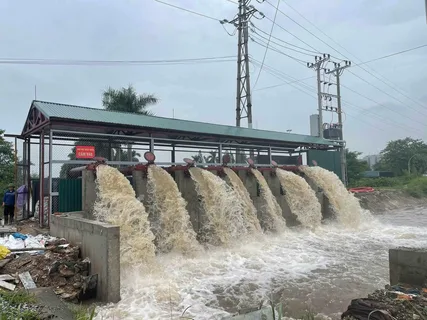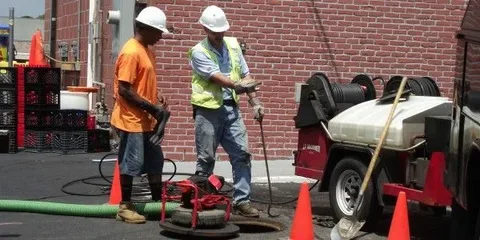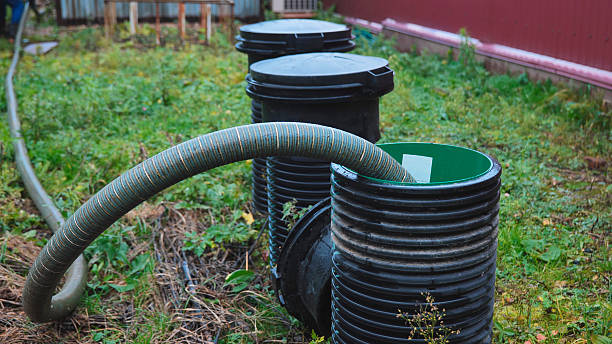
Professional sewage removal in Annadale, NY clears contaminated waste, sanitizes affected areas, reduces health risks and restores cleaner property spaces.
A sewage backup can turn a normal plumbing problem into a serious cleanup situation within minutes. Wastewater may enter basements, bathrooms, garages, floor drains, or other low areas after a sewer blockage, damaged line, heavy rainfall, or drainage failure. AAA Sewer & Drain provides sewer, drain, flood, water removal, and sewage cleanup services throughout Staten Island for residential and commercial properties. Unlike ordinary water leaks, sewage-related flooding can contain bacteria, waste, and other contaminants that require careful handling. Property owners in Annadale, Huguenot, and nearby communities should avoid direct contact with contaminated water and focus first on stopping or identifying the source of the backup. Once the immediate plumbing problem is controlled, standing sewage can be removed and affected surfaces evaluated for cleaning, sanitizing, drying, or replacement. This guide explains sewage cleanup, common causes of backups, basement contamination, sanitation, drain problems, prevention, and the steps property owners can take after wastewater enters a building.
What Professional Sewage Removal Includes
Professional sewage removal and treatment focuses on extracting contaminated wastewater, removing sewage waste, cleaning affected areas, and treating suitable surfaces after a backup or overflow.
The first priority is understanding why sewage entered the property.
A blocked main sewer line may require drain or sewer cleaning before cleanup can proceed effectively. A damaged pipe may require repair. Heavy rainfall can also contribute to certain backup situations.
After the source is controlled, contaminated water can be removed from accessible areas.
The cleanup process may also involve removing materials that cannot be properly cleaned, addressing unpleasant odors, sanitizing affected surfaces, and preparing the space for drying.
Each situation is different. A small bathroom overflow does not require the same response as a basement containing several inches of sewage-contaminated water.
The service should match the amount of contamination, affected materials, accessibility, and condition of the plumbing system.
Why Sewage Backups Require Fast Attention
Wastewater can spread beyond the area where the backup first becomes visible.
It may move beneath flooring, around baseboards, into storage areas, or through adjoining rooms.
Porous materials can absorb contaminated water quickly.
Carpet, drywall, cardboard, insulation, upholstered items, and some wood products may require closer evaluation after exposure.
The longer sewage remains in contact with these materials, the more difficult cleanup can become.
Property owners should also keep children and pets away from contaminated areas.
Trying to clean a significant sewage backup with ordinary household supplies can increase direct exposure and may leave contaminated material behind.
Prompt professional service helps move the project from uncontrolled backup toward organized removal, cleaning, and drying.
Sewage Removal Services in Annadale, NY
Property owners needing sewage removal services in Annadale, NY may experience warning signs before wastewater actually enters the property.
Slow drains throughout several rooms, sewer odors, gurgling fixtures, water rising through floor drains, or repeated main-line clogs can indicate a larger drainage concern.
AAA Sewer & Drain’s Annadale page specifically discusses sewer line problems, backups, tree root intrusion, damaged pipes, and professional sewer service.
If wastewater has already entered a basement or bathroom, homeowners should stop using affected plumbing fixtures when practical.
Continuing to send water into a blocked system can increase the amount of sewage entering the building.
After the immediate backup is controlled, the affected space can be cleared and evaluated.
A professional response should address both the contamination inside the property and the drainage problem that allowed the backup to occur.
Sewer Backup Cleanup in Huguenot, NY
Homeowners and businesses looking for sewer backup cleanup in Huguenot, NY may need help with clogged main lines, slow drainage, sewage odors, or wastewater entering lower areas of the building.
The Huguenot service page supports emergency sewer and drain work for both residential and commercial properties.
Commercial properties can present different cleanup challenges because contamination may affect customer areas, restrooms, storage rooms, equipment spaces, or employee work areas.
Businesses may also need to restrict access to the affected portion of the building while cleanup is completed.
Residential properties can have similar concerns with finished basements, laundry areas, furniture, storage boxes, or children’s play areas.
The cleanup plan should reflect what the sewage contacted rather than focusing only on removing visible water.
Common Causes of Sewage Backups
A sewer backup can have several possible causes.
Grease buildup can gradually narrow drainage lines when fats and oils are repeatedly washed into the system.
Paper products, wipes, hygiene items, and other materials that do not break down easily can contribute to blockages.
Tree roots can enter damaged or vulnerable sewer lines and restrict flow.
Older pipes may develop cracks, misalignment, corrosion, or other conditions that affect drainage.
Heavy rainfall can also contribute to certain backup situations depending on property and sewer conditions.
A repeated backup should not be treated as an isolated accident every time it occurs.
If the same property experiences recurring problems, additional sewer cleaning, video inspection, or repair may be appropriate to identify the underlying condition.
Basement Sewage Cleanup
Basements often receive the worst effects of sewer backups because they are located at lower elevations within a building.
Wastewater may enter through floor drains, plumbing fixtures, toilets, or other drainage connections.
Finished basements require especially careful evaluation because sewage can reach carpeting, drywall, baseboards, cabinets, furniture, and stored belongings.
The first step is removing standing contaminated water when it can be done safely.
Damaged or heavily contaminated materials may then need to be separated from surfaces that can be cleaned.
Sanitizing should follow appropriate removal rather than simply spraying cleaner over visible sewage.
Drying also matters after cleanup.
A basement can look clean while moisture remains beneath flooring or inside building materials.
The area should be allowed to dry appropriately before new finishes are installed.
Cleaning and Sanitizing After Sewage Removal
Removing wastewater does not automatically make the affected area ready for normal use.
Contaminated surfaces may still contain waste, residue, and microorganisms after visible sewage is gone.
Cleaning removes remaining material from appropriate surfaces, while sanitizing helps reduce contamination after physical waste has been removed.
The exact approach depends on what was exposed.
Hard, nonporous surfaces may be suitable for cleaning and treatment.
Heavily contaminated porous materials may not always be practical to restore.
Odor can also remain when contaminated material is hidden beneath flooring, behind trim, or inside other building components.
If an unpleasant sewage smell continues after cleanup, the area may need additional evaluation rather than simply using fragrance products to cover it.
Drain Cleaning After a Backup
Sewage cleanup and drain cleaning often address two different parts of the same problem.
Cleanup handles the contaminated water that entered the building.
Drain or sewer cleaning addresses a blockage that may have caused the backup.
If grease, debris, roots, or other restrictions are preventing normal flow, clearing the line can help restore drainage.
Recurring blockages may need more investigation.
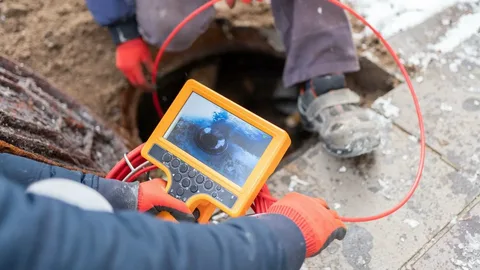
A video pipe inspection can help locate damaged sections, root intrusion, buildup, or other conditions inside the sewer line when ordinary cleaning does not solve the problem for long.
The important point is to avoid treating sewage removal as the final step when the drainage issue remains unresolved.
A clean basement can flood again if the same blocked sewer line is still creating problems.
Protecting Personal Belongings
Sewage backups can affect stored items very quickly.
Basements and garages commonly contain cardboard boxes, furniture, tools, appliances, clothing, documents, and other belongings.
Items that have contacted sewage should be handled carefully.
Porous materials can absorb contaminated water, making some belongings difficult to clean effectively.
Property owners should avoid carrying dripping contaminated items through clean parts of the home without planning how they will be handled.
Important damage can also be documented before disposal when necessary.
Moving unaffected items away from the work zone can create additional space for cleanup crews and reduce the chance of cross-contamination.
After restoration, storing important belongings above the floor rather than directly on basement concrete may provide additional protection during future plumbing or water problems.
Reducing the Risk of Future Backups
Not every sewage backup can be prevented, but property owners can reduce some common risks.
Avoid pouring cooking grease and fats into sinks.
Items marketed as disposable should not automatically be assumed safe for sewer systems.
Repeated slow drains should be investigated before they become completely blocked.
Property owners should also pay attention when several fixtures begin draining slowly at the same time.
That pattern may point to a problem deeper in the system rather than an isolated sink or shower clog.
Older sewer lines or properties with a history of tree root intrusion may benefit from periodic professional evaluation.
The best prevention strategy depends on the cause of previous backups.
Routine drain cleaning helps with certain buildup problems, while damaged sewer pipes require a different solution.
When Emergency Sewage Service Makes Sense
Some sewage problems require faster attention than routine plumbing issues.
Wastewater actively entering a basement, overflowing toilets connected with a main-line blockage, or sewage reaching living areas should be treated as urgent situations.
AAA Sewer & Drain offers emergency sewer and drain support throughout Staten Island.
Before help arrives, property owners should limit access to contaminated areas.
When practical, stop using plumbing fixtures connected with the affected drainage system.
Avoid using electrical devices near standing water when safety is uncertain.
Homeowners should also explain where the backup appears to be entering, how long the problem has been occurring, and whether similar issues have happened before.
Those details can help the service team understand the situation before cleanup and drainage work begins.
Choosing a Sewage Removal Contractor
A sewage cleanup contractor should understand both contamination and plumbing conditions.
Ask how the standing sewage will be removed and what happens to affected surfaces afterward.
Property owners should also understand whether the service includes sanitizing, water removal, odor treatment, drain cleaning, or related sewer work.
If the backup is recurring, ask whether additional inspection is recommended.
The contractor should explain what appears to have caused the problem instead of treating each backup only as a cleaning job.
For larger events, the scope should identify which spaces are affected and which materials may require removal.
Clear communication helps homeowners know where sewage cleanup ends and where plumbing repair or property restoration begins.
Conclusion
Professional sewage removal helps property owners respond to one of the more difficult types of plumbing emergencies: contaminated wastewater entering occupied or storage areas.
For homes and businesses in Annadale and Huguenot, the process should begin with controlling the sewer or drain problem and limiting contact with contaminated water.
Standing sewage can then be removed, affected materials evaluated, and suitable surfaces cleaned and sanitized.
Recurring backups deserve additional attention because grease buildup, blocked lines, tree roots, damaged pipes, or other drainage problems may continue causing trouble until the underlying issue is corrected.
AAA Sewer & Drain provides both sewage cleanup and related sewer and drain services, allowing the contamination and plumbing problem to be evaluated together.
By responding quickly, keeping people away from contaminated areas, identifying the source, and cleaning affected spaces correctly, property owners can move from an unexpected sewage backup toward a safer and more usable property.
Frequently Asked Questions
What does professional sewage removal include?
Service can include removing contaminated wastewater and sewage waste, cleaning affected areas, sanitizing appropriate surfaces, and addressing related sewer or drain problems.
Is sewage water dangerous to touch?
Sewage can contain bacteria, viruses, waste, and other contaminants. Direct contact should be avoided, and children and pets should be kept away.
Can sewage be removed from a flooded basement?
Yes. Contaminated water can be extracted from basements, followed by cleanup, sanitizing, drying, and evaluation of affected materials.
What commonly causes a sewage backup?
Common causes include clogged sewer lines, grease buildup, tree root intrusion, damaged pipes, heavy rainfall, and improper materials entering the drainage system.
Can drain cleaning prevent another sewage backup?
It may help when buildup or a blockage is the cause. Recurring backups can require video inspection or additional sewer repair to identify a deeper problem.
What should I do first when sewage enters my home?
Keep people and pets away, avoid direct contact with contaminated water, reduce use of affected plumbing fixtures when possible, and arrange professional sewage and drain service promptly.