A wet basement rarely waits for a convenient moment. A back-pitched sewer line during a nor’easter, a failed sump pump during a summer thunderstorm, or a hot water heater that finally gives up at 5 a.m. all end the same way: with you standing on the bottom step looking at water spreading across the floor. Most homeowners around Tottenville, Great Kills, and New Dorp don’t think about emergency water cleanup until they’re knee-deep in it. That’s when reliable basement water removal near me in Staten Island searches start firing off, often during a power outage with one bar of cell signal. AAA Sewer & Drain has worked enough basements across the Island to know which neighborhoods sit lowest, where the storm sewers back up first, and what NYC building code requires for permitted water-related repairs.
A good water removal job does more than pump out what you can see. The right work pulls hidden moisture from behind walls and under flooring, prevents mold from taking hold over the next 48 hours, documents the loss properly for your insurance claim, and rebuilds anything that has to come out to dry properly. The wrong outfit leaves you with a damp slab, mildew growing inside the wall cavities, and a denied insurance supplement when the carrier sees gaps in the documentation. This guide walks through what causes most flooding here, the steps a proper extraction follows, the variables that move pricing, and how to vet a local company before signing anything you’ll regret three months down the road.
Why Staten Island basements flood so often
Staten Island sits lower and flatter in many areas than the rest of the city, which means rain and tidal water both have plenty of places to pool. According to NOAA’s National Climate Assessment, the Northeast has seen significant increases in heavy precipitation events over the past several decades, with New York City experiencing more frequent intense rainfall. So when local owners search for basement water removal near me in Staten Island, they’re often reacting to a storm pattern the area increasingly sees.
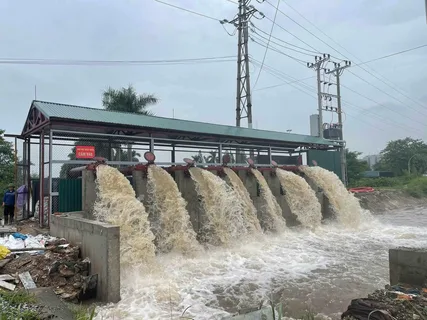
Then there’s the infrastructure issue. Parts of the South Shore still rely on bluebelt drainage and older combined sewer lines that overflow during heavy rain. The NYC Department of Environmental Protection notes that during intense storms, stormwater can back up into basements through floor drains and toilets, especially in low-lying communities. Have you ever lifted a basement floor drain cover during a downpour and seen water rising back through it? That’s combined sewer overflow at work.
Inside the home, water heater failure, washing machine hose breaks, and sump pump motor burnout cause the rest. The Insurance Information Institute lists water damage and freezing as one of the most common causes of homeowners claims nationally, with the average claim payout climbing year over year. Quick response from a flood water extraction services in Staten Island team protects both your structure and your claim.
Common flood causes and water categories worth knowing
Picking the right scope matters as much as picking the right contractor. Trusted basement water removal near me in Staten Island calls fall into one of four water source categories, each with different cleanup steps, safety considerations, and rebuild requirements under IICRC standards. Knowing the categories helps you understand why the response looks different from one job to the next.
Category 1 water comes from a clean source like a broken supply line or overflowing sink and carries the lowest contamination risk. Category 2 water, sometimes called gray water, includes dishwasher overflow or washing machine discharge with detergent residue. Last category 3 water is the worst kind, covering sewer backups, toilet overflow with feces, and floodwater from outside, and requires the strictest cleanup protocols under IICRC S500 standards.
Most Staten Island basement floods involve a mix of stormwater intrusion and sewer backup, which puts them squarely in Category 3 territory. That means soaked drywall, insulation, carpet, and contents typically can’t be saved. Flood water extraction services in Staten Island have to follow PPE, disposal, and antimicrobial procedures that differ sharply from a clean-water response.
| Water Category | Source | Cleanup Approach | Material Salvage |
| Cat 1 (Clean) | Supply line, faucet | Extract, dry, sanitize | Often salvageable |
| Cat 2 (Gray) | Washer, dishwasher overflow | Extract, antimicrobial, dry | Some salvageable |
| Cat 3 (Black) | Sewer backup, floodwater | Remove and replace porous items | Minimal salvage |
| Tidal/Storm Surge | Outside flooding | Cat 3 protocols plus structural | Replace porous materials |
What the water removal process actually looks like
Quality water work follows a clear sequence, and skipping steps shows up later as mold inside walls, warped flooring, or a denied insurance supplement. From the first emergency call to the final moisture reading, the best basement water removal near me in Staten Island responders stick to a documented process under IICRC standards that protects both your home and your claim.
Emergency response, extraction, and content protection
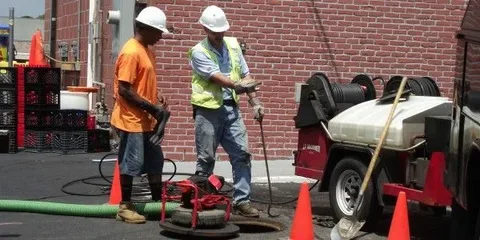
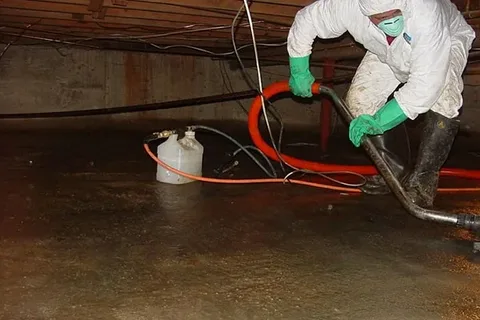
First, the crew responds with truck-mounted extraction equipment that pulls standing water far faster than any portable shop vac. They also assess electrical safety, since basement panels and outlets near water need power killed before anyone walks in. Photos and video get taken before anything moves, so the carrier sees the loss in its original state.
Then comes content protection. Furniture, boxes, electronics, and personal items that can be saved get moved to a dry area or off-site storage. Saturated items beyond saving get inventoried for the insurance file. Have you ever lost a whole bin of holiday decorations to a flood and wondered if the insurance would cover them? Proper documentation up front is what gets that approved.
Drying, demo, and final moisture verification
After extraction, the structural drying phase begins. Air movers, commercial-grade dehumidifiers, and sometimes containment plastic all work together to drop moisture levels in framing, drywall, and slab. Wet drywall typically gets cut to the next stud above the water line, soaked insulation comes out, and any saturated carpet pad gets disposed of properly under NYC waste rules.
Daily moisture readings get logged with a penetrating moisture meter so dry-out progress is verifiable. As IICRC trainer Pete Duncanson has noted in trade publications, the difference between successful drying and a callback weeks later comes down to whether the structure dried below industry-standard moisture content, not how aggressive the equipment looked.
Cost factors that shape your final estimate
Pricing for water removal isn’t a single number, and any company quoting you over the phone without seeing the basement is guessing. Several variables move the bid up or down on every Staten Island job, so knowing them helps you compare bids fairly across two or three written scopes for basement water removal near me in Staten Island.
Water volume and category top the list. A small Cat 1 supply line break in a finished basement costs less than a Cat 3 sewer backup across a 1,500 sq ft slab. Square footage affected, ceiling height, depth of standing water, and number of rooms involved all shift the labor and equipment hours.
Material loss and structural demo
Material loss drives a lot of the budget too. Finished basements with drywall, baseboard, carpet, and built-in cabinetry require more demolition and rebuild than a bare-slab utility space. Sheetrock generally has to go above the waterline, insulation behind it usually pulls out, and engineered or solid wood flooring rarely survives Category 3 water.
Equipment time and access challenges
Drying equipment doesn’t run on a flat fee. The number of air movers, dehumidifiers, and HEPA scrubbers needed depends on volume and humidity. Staten Island row homes with narrow basement stairs, older Tottenville colonials with cramped utility rooms, and finished basements with low ceilings all add labor for moving equipment in and out. Local companies like AAA Sewer & Drain that focus on Affordable flood water extraction services in Staten Island build those neighborhood-specific variables into a written estimate so you don’t get surprised with charges after the work is done.
How to pick a water removal company that does it right
After every major storm, Staten Island’s storm restoration business gets crowded. Out-of-borough trucks from New Jersey and Long Island appear offering same-day cleanup for prices too good to be true. Some sign homeowners with assignment of benefits forms, then disappear when that dispute carrier hits. When searching for basement water removal near me in Staten Island, half the battle is sorting steady local water restoration teams from short-term operators.
Begin by licensing. Although the state does not license restoration contractors, New York City requires Home Improvement Contractor (HIC) licensing through the Department of Consumer and Worker Protection to perform residential work. In less than a minute, you can check any HIC number on the DCWP website.
Before you sign anything, find out the answer to these five questions. What is the difference between workmanship warranty and materials warranty? Are the crews in-house employees or storm-chase freelancers? What will the cost of supplements be if damage is found during a demo? What’s the method for direct contact and communication with your insurance adjuster on the loss documentation?
A specialty contractor working on only residential water work across Staten Island, such as AAA Sewer & Drain, is familiar with local sewer backup patterns, knows what neighborhoods are below flood elevation, and carries trade-specific insurance that general handymen often forgo. When a bid arrives suspiciously low for flood water extraction services in Staten Island, carefully read the scope. People cut corners by not treating Category 3 water as a containment, skipping daily moisture recording, having non-specific antimicrobial steps, not limiting demolition, and using scant content inventories to undermine your claim later.
Conclusion
When done right, basement water removal protects your home, your belongings, your insurance claim, and your indoor air quality for years to come. Take the time to check an NYC HIC license, obtain your insurance certificates directly from the carrier, and compare three itemized bids on matched scope. Take note of the water category protocols, moisture documentation, demo limits, and warranty terms in writing, because those line items decide whether the basement will stay dry and free of mold or whether it will develop issues by the next nor’easter.
When you’re ready to go through your water loss without pressure, call AAA Sewer & Drain for a free on-site assessment of your basement. We will inspect the area affected by water damage, document everything for your insurance file, take moisture readings, and produce a written scope that suits your home, your policy, and your timeframe so that you can make the call with complete information with no high-pressure sales at any stage.
FAQ’s
How long basement water cleanup in Staten Island will take?
It takes a few hours to wrap up emergency extraction for such floods. According to the volume of water, the materials affected by it and the humidity levels, structural drying runs for three to five days. Depending on the scope, reconstruction requires an additional one to four weeks. You need to get a timeline from the contractor in writing before the demo starts.
Do I need a construction permit for basement repairs in Staten Island, NY?
Yes, for structural work, electrical replacement, plumbing alterations and major rebuilding. Permits with inspections at framing, rough-in and final are required by NYC Department of Buildings. A good local contractor pulls the permit in their company name and puts the fee on your written estimate so you have no surprises.
What are the typical costs of basement water removal in Staten Island?
The price is dependent on water category, volume, square footage affected, materials lost, equipment time and access issues. The expense for Cat 3 sewer cleanups is higher than Cat 1 supply line responses. Obtain three written quotes with matching scopes from licensed local contractors for a fair price comparison for your unique basement.
How do basement repairs hold up against future Staten Island flooding?
The best way to protect your home or basement is to use proper repairs that utilize mold resistant drywall, closed-cell spray foam insulation, properly sized sump pumps (with battery backups), and exterior waterproofing membranes. It will make it tough against a future event.
Will my homeowners insurance for New York cover basement water removal in Staten Island?
Typically, yes; if there’s sudden, accidental water damage from burst pipes, washing machine hose breaks, or water heater failures, under HO-3 policies. Sewer backup coverage typically requires a separate endorsement.
It takes a few hours to wrap up emergency extraction for such floods. According to the volume of water, the materials affected by it and the humidity levels, structural drying runs for three to five days. Depending on the scope, reconstruction requires an additional one to four weeks. You need to get a timeline from the contractor in writing before the demo starts.
Yes, for structural work, electrical replacement, plumbing alterations and major rebuilding. Permits with inspections at framing, rough-in and final are required by NYC Department of Buildings. A good local contractor pulls the permit in their company name and puts the fee on your written estimate so you have no surprises.
The price is dependent on water category, volume, square footage affected, materials lost, equipment time and access issues. The expense for Cat 3 sewer cleanups is higher than Cat 1 supply line responses. Obtain three written quotes with matching scopes from licensed local contractors for a fair price comparison for your unique basement.
The best way to protect your home or basement is to use proper repairs that utilize mold resistant drywall, closed-cell spray foam insulation, properly sized sump pumps (with battery backups), and exterior waterproofing membranes. It will make it tough against a future event.
Typically, yes; if there’s sudden, accidental water damage from burst pipes, washing machine hose breaks, or water heater failures, under HO-3 policies. Sewer backup coverage typically requires a separate endorsement.